150W 166Wh Solar Power Station: Camping & Outage Backup
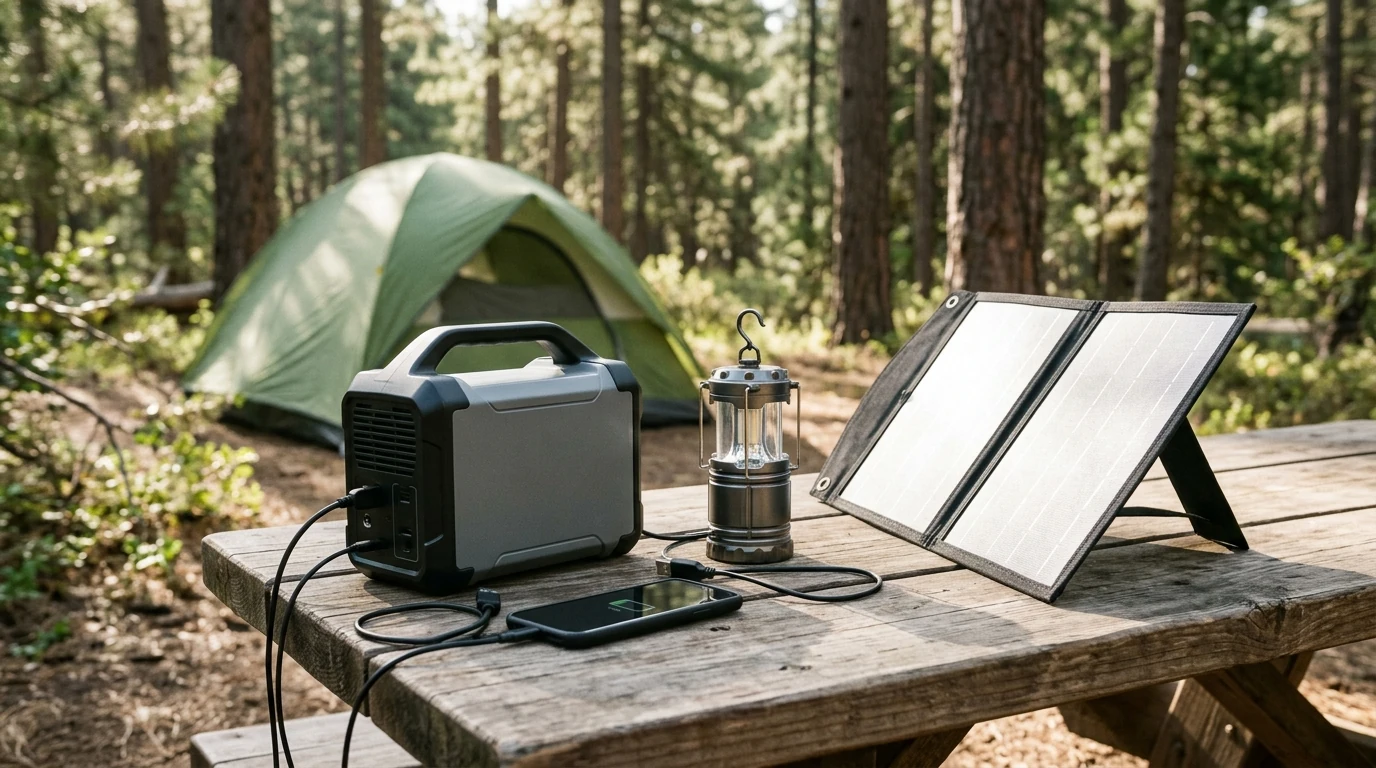
150W Solar Power Station (166Wh, 110V): Portable Power for Campsites, Blackouts, and Everyday Backup
When the grid is out—or the campsite is miles from the nearest outlet—having a compact power source changes the plan from “wait it out” to “keep going.” This 150W solar power station with 166Wh capacity and a 110V AC outlet is built for practical, grab-and-go power: topping up small devices, running essential electronics for a short window, and keeping key comforts available when conditions are unpredictable.
Where a 166Wh power station fits best
A smaller power station shines when you need flexible electricity, not an all-night replacement for household power. Here are the situations where 166Wh is especially useful:
- Camping and road trips: keep phones, headlamps, cameras, and small speakers charged without hunting for outlets.
- Emergency backup: bridge short outages for communications and light—especially helpful overnight.
- Work and study anywhere: power small electronics in a pinch (think charging and low-watt accessories, not high-draw appliances).
- Home convenience: a tidy way to keep an emergency kit powered up and ready.
If you’re building a lightweight “grab kit,” pairing a compact power station with a small carry solution can make the difference between gear you actually use and gear that stays in a closet. Our team often recommends keeping cables and adapters together so you can move fast when weather turns.
Understanding 150W output and 166Wh capacity (so expectations match reality)
The two numbers that matter most are output (watts) and capacity (watt-hours). Getting them straight upfront prevents frustration later.
- Capacity (166Wh) is the “fuel tank.” It suggests how long a device can run, not a guaranteed runtime.
- Output (150W) is the “engine limit.” If a device needs more than 150W, it may not run from the AC outlet.
- Real-world runtime is always lower than the math because converting stored energy to usable power has losses—plan with a buffer.
- A quick planning rule: estimated hours ≈ (166Wh × 0.85) ÷ device watts. The 0.85 is a simple cushion for conversion losses.
Simple runtime planning examples (estimates)
| Device load (W) | Estimated runtime (hours) | How to interpret it |
|---|---|---|
| 10W | ≈ 14.1 | Light, low-draw devices can last through a long evening. |
| 30W | ≈ 4.7 | Good for extended charging sessions or a small electronics setup. |
| 60W | ≈ 2.4 | Short, purposeful use—plan to recharge when possible. |
| 120W | ≈ 1.2 | Near the top end: best for brief needs rather than all-night use. |
What to power during camping and emergencies
The best experience comes from matching the power station to “modest and meaningful” loads—devices that keep you connected, informed, and comfortable without pushing the 150W ceiling.
- Best matches: phones, tablets, GPS devices, e-readers, headlamps, rechargeable lanterns, small fans, and other modest electronics.
- Emergency priorities: communication first (phone, radio), then light, then comfort items.
- Devices to avoid: high-draw heating elements and big-motor appliances often exceed 150W and can drain 166Wh quickly.
- Tip for smoother use: check the watt rating printed on a device or its power adapter before plugging into the 110V outlet.
For outage planning, it also helps to follow broader readiness guidance. Resources like Ready.gov’s power outage checklist and the U.S. Department of Energy overview of backup power options can help you decide what to power first and what to skip.
Solar recharge and backup recharge habits that pay off
Small stations are at their best when you treat recharging like part of the routine, not an afterthought.
- Solar is most effective with good sun exposure and the right setup: aim the panel toward the sun and avoid shade even on a corner.
- Treat solar as a daily top-up habit on trips: recharge during the day, use power at night.
- For emergencies, keep the station topped up: store it where it’s easy to grab—alongside flashlights and spare cables.
- Conserve intelligently: dim screens, use airplane mode when possible, and charge devices in batches instead of constantly topping off.
If you’re curious why small changes in placement matter so much, the National Renewable Energy Laboratory (NREL) overview of solar resource basics is a helpful primer.
Practical setup checklist for clean, reliable power
- Start with a power plan: list essentials, note their wattage, and decide what must run and what can wait.
- Use the AC outlet strategically: reserve AC for items that truly need it; use direct charging options for small electronics whenever available to reduce conversion loss.
- Keep cables organized: a short charging kit (USB cables, device adapters, and a small power strip if appropriate) prevents “one port, five devices” frustration.
- Store smart: keep the unit dry, avoid extreme heat, and pack it so vents aren’t blocked during use.
Safety and care for a power station that stays ready
In-stock picks from our store
- 150W Solar Power Station 166Wh 110V Portable Generator for Camping and Emergency Backup
- Lightweight 3L Cycling Backpack for Running, Hiking & Outdoor Sports
FAQ
Can a 150W power station run a CPAP or mini fridge?
It depends on the device’s watt draw (including any startup surge) and how long you need it to run. With 166Wh, a low-power CPAP setup may be feasible for limited hours, while many compressor mini fridges can surge above 150W and may not start reliably.
How long will 166Wh last for charging phones and small electronics?
A simple method is to budget usable energy at roughly 166Wh × 0.85, then compare that to your device battery size or charging wattage. Multiple phone charges are realistic, but continuous higher-watt loads will cut time down quickly.
What’s the easiest way to pack a power station for camping?
Keep a small “power pouch” with your core cables and adapters, and pack the station where you can reach it without unpacking the whole car. Protect it from rain and dust, and plan daytime top-ups if you’re using a solar panel.













Leave a comment