52-Inch Rolling Bird Cage: Setup, Placement & Care
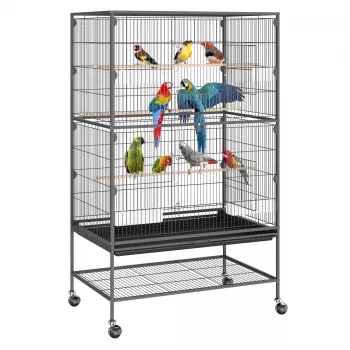
A spacious, move-anywhere home for your bird
A large cage should do two jobs at once: give your bird real room to move, and make daily care easy for you. Our 52-Inch Large Bird Cage with Rolling Stand is designed around those practical needs—usable height for climbing and perching, a stable footprint, and a rolling stand that lets you reposition the cage without constant lifting or rearranging. For more guidance, see HSM 53 Inch Wrought Iron Large Bird Flight Cage with ….
If you’re planning a dedicated bird area but still want the flexibility to shift the cage for cleaning, daylight, or household flow, a tall rolling cage can be a smart middle ground: roomy for your bird, manageable for your routines. For further reading, see 40inch Bird Cage with Rolling Wheels, Open-Top Parrot ….
What this cage is built to solve
- Create a roomy, vertical living space that supports natural behaviors like climbing, hopping, and choosing different perching heights.
- Make repositioning simple with a rolling stand—useful for cleaning, changing light exposure, or shifting the cage out of high-traffic areas.
- Keep routines manageable with an enclosure size that supports organized feeding, perching, and enrichment without feeling cramped.
- Support a cleaner surrounding area by keeping food, toys, and accessories contained and easy to reach.
When the cage is easier to live with, you’re more likely to stay consistent with upkeep—and consistency is what keeps most bird setups comfortable and sanitary over the long run.
Space and comfort: planning a cage interior that works
“Bigger” only helps when the interior is arranged for movement and calm. A simple plan is to build distinct zones—resting up high, activity in the middle, and feeding in an accessible corner—while keeping a couple of open lanes so your bird can move without weaving through clutter.
- Aim for a layout that encourages movement: place perches at different heights and avoid lining them up directly over food or water.
- Leave clear “flight lanes” inside the cage by keeping one or two open zones without large toys blocking movement.
- Use a mix of perch textures and diameters (appropriate for your bird’s species) to support healthy feet and help prevent pressure spots.
- Rotate enrichment on a schedule: a few well-placed toys changed regularly is often better than an overcrowded setup.
- Position food and water so your bird can access them without stepping over waste—this typically means slightly separated zones.
Simple interior layout plan (example you can adapt)
| Zone | Goal | What to place | Keep in mind |
|---|---|---|---|
| Upper area | Resting and security | Primary perch, a calmer toy | Avoid placing directly above bowls to reduce contamination. |
| Mid area | Activity and engagement | Foraging toy, secondary perch | Leave a clear path across the cage for movement. |
| Lower area | Exploration and backup perching | Low perch, chew items (species-appropriate) | Skip heavy hanging toys that can swing into your bird’s space. |
| Feeding corner | Easy access and clean eating | Food and water bowls | Separate bowls from the main sleeping perch; wipe splash zones daily. |
Rolling stand placement: making the most of a moveable cage
A rolling stand is most helpful when you treat it like a tool—not a reason to constantly relocate your bird. Most birds settle best with a predictable “home base,” plus occasional short moves for practical reasons.
For general care guidance and safety considerations (like household fumes and common hazards), authoritative references like the Association of Avian Veterinarians (AAV) and the ASPCA’s bird care resources are helpful companions to your day-to-day routine.
Cleaning and daily upkeep: keep it consistent, not complicated
Routine guide for a cleaner cage setup
| Task | How often | Why it matters |
|---|---|---|
| Change liners / spot clean bottom area | Daily | Reduces odor and helps prevent bacteria buildup. |
| Wash food and water bowls | Daily | Supports hygiene and consistent eating/drinking. |
| Wipe bars near feeding areas | 2–3 times per week | Prevents stuck-on residue that becomes harder to remove. |
| Rotate and inspect toys | Weekly | Maintains enrichment and removes damaged items. |
| Deep clean and reconfigure layout | Monthly (or as needed) | Refreshes the environment and supports behavior and comfort. |
Set-up checklist before your bird moves in
When a 52-inch rolling cage makes sense (and when it doesn’t)
More in-stock picks from our team
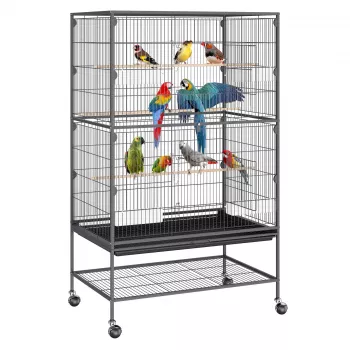
- 52-Inch Large Bird Cage with Rolling Stand — a tall, practical setup when you want space plus mobility for day-to-day care.
- Beige Travertine U-Shape Sculpture — a simple decor piece for shelves or side tables near your bird area (kept out of reach, as birds love to explore).
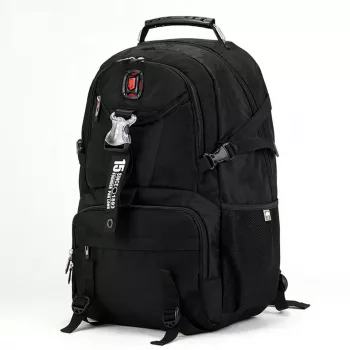
- Lightweight 3L Cycling Backpack — an easy grab-and-go pack for travel days, errands, or carrying small essentials.
FAQ
Where should a rolling bird cage be placed in the home?
Set a stable “home base” away from kitchen fumes, direct drafts, and strong HVAC airflow, with a comfortable day/night rhythm (brighter during the day, calmer and quieter at night). Use the rolling stand for short, intentional moves—like pulling the cage out to clean behind it or adjusting for gentle daytime light.
How often should a large bird cage be cleaned?
Plan on daily bowl washing and liner changes, weekly wipe-downs of high-touch areas and toy inspection, and a deeper monthly clean to reset the environment. Stick to bird-safe cleaning methods and make sure everything is fully dry before your bird is near cleaned surfaces.
What should be inside a large bird cage to keep a bird comfortable?
Use varied perches (textures and diameters appropriate for your bird), keep a couple of open movement lanes, and separate sleep and feeding zones to reduce mess. Add rotating enrichment like foraging and chew toys, and avoid overcrowding so your bird can move confidently.











Leave a comment