Heavy-Duty Tomato Cages for Climbers: Setup & Tips
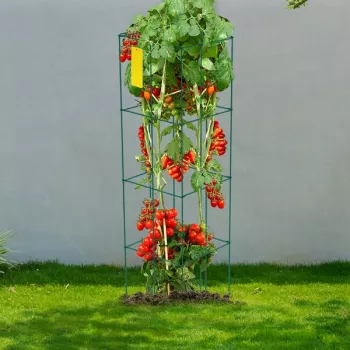
Heavy-Duty Tomato Cages for Climbing Plants: Strong Support for Bigger Vines and Cleaner Harvests
Climbing plants don’t just grow up—they sprawl, lean, twist, and load up with weight as the season peaks. A sturdy cage keeps stems off the ground, improves airflow, reduces fruit blemishes, and makes harvesting feel less like a treasure hunt. Our team put together this guide to help you get the most out of heavy-duty tomato cages for climbing plants, from setup day to late-season loads.
What “heavy-duty” support changes in the garden
When your plants hit their stride, support stops being a nice-to-have and becomes part of keeping the whole bed manageable.
- Handles the real weight: Indeterminate tomatoes, tomatillos, and other vigorous climbers can turn top-heavy fast. Stronger cages help prevent mid-season leaning and collapse.
- Keeps fruit cleaner: Lifting growth away from soil reduces splash-up after watering or rain, helping limit rot and pest damage on low-hanging fruit.
- Improves airflow and access: A supported plant is easier to prune, tie, and harvest—especially when the canopy gets dense.
- Reduces breakage after storms: A sturdier structure means fewer snapped branches when wind and rain show up together.
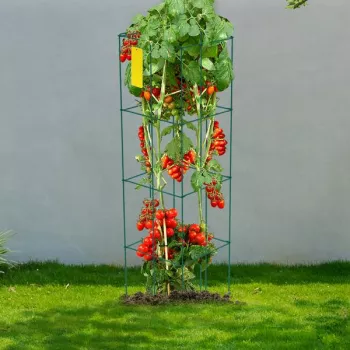
If you’re building a support plan for the season, our Heavy-Duty Tomato Cages for Climbing Plants are designed to keep climbing growth upright and off the ground so you can focus on fruit quality and easier picking.
Best uses beyond tomatoes (climbers welcome)
“Tomato cage” is just the starting point. The same structure can help a long list of plants that want to flop, sprawl, or snap under load.
- Indeterminate tomatoes: Train one or two main leaders upward and keep fruiting trusses supported as they set.
- Peppers and eggplants: Tall, heavily-fruiting varieties often need side support to prevent lodging (especially after a heavy watering or storm).
- Cucumbers and small squash types: Guide vines upward early and keep fruit visible and off the soil for cleaner harvests.
- Pole beans and flowering climbers: Use the cage as a central “tower,” then add soft ties to direct growth where you want it.
- New transplants and tender stems: Early support reduces “wind whip,” which can slow growth and stress stems.
If you like carrying pruners, soft ties, and harvest bags with you, our team also keeps a grab-and-go gear option in mind: the Lightweight 3L Cycling Backpack for Running, Hiking & Outdoor Sports works well for keeping small garden essentials on your back while your hands stay free.
Set up once, enjoy all season: placement and anchoring
Good cages feel “invisible” mid-season because they’re already in the right place and not wobbling every time you reach in to pick.
- Install early: Put the cage in at planting time (or while plants are still small) to avoid damaging roots later.
- Anchor for your conditions: In breezy yards or loose raised-bed mix, push legs deeper and firm soil at the contact points. If storms are common, reinforce with garden twine to a sturdy stake.
- Allow working room: Keep enough space between cages so you can prune, water, and harvest from all sides without fighting foliage.
- Match sun and airflow: Don’t cluster cages so tightly that humidity gets trapped inside the canopy.
- Plan irrigation access: Leave room for a soaker hose loop or drip line before growth gets thick.
Quick setup checklist
| Step | Goal | Practical tip |
|---|---|---|
| Place cage at planting | Avoid root disturbance | Center it before backfilling soil |
| Push legs down firmly | Prevent wobble and tilt | Press evenly on each leg rather than forcing one side |
| Create a watering path | Keep moisture consistent | Route drip/soaker before foliage gets dense |
| Leave access space | Make pruning/harvest easier | Aim for comfortable reach all around |
| Add optional tie points | Reinforce in bad weather | Use soft ties; avoid thin wire on stems |
Training and pruning inside a cage (simple routines that work)
The best-looking cages can’t fix tangled growth on their own—light, consistent training does.
For deeper growing guidance and cultural practices, you can compare notes with these university/extension resources: University of Minnesota Extension (Growing tomatoes), Clemson Cooperative Extension (Tomato diseases & airflow practices), and Penn State Extension (Vegetable gardening basics).
Sizing and fit: getting the right support for your plant and bed
Care, storage, and multi-season use
FAQ
When should a tomato cage be installed for climbing plants?
Install it at planting time or while the plant is still small so you don’t disturb roots later. Early setup also makes it easier for you to start guiding stems in the right direction from day one.
Do climbing plants still need ties if they’re in a heavy-duty cage?
Many stems can rest directly on the cage, but soft ties are still useful for heavy fruiting branches, windy sites, or when you want to steer growth to reduce crowding. Keep ties loose enough to avoid pinching stems as they thicken.
How do you keep tomato cages from falling over in storms?
Push the legs deeper, firm the soil around each contact point, and add a stake-and-twine reinforcement if storms are common where you live. Also avoid letting plants become extremely top-heavy by keeping growth guided and accessible, and remember containers can tip if the pot is too light for the canopy.













Leave a comment