King 12-Inch Cooling Gel Memory Foam Mattress Guide
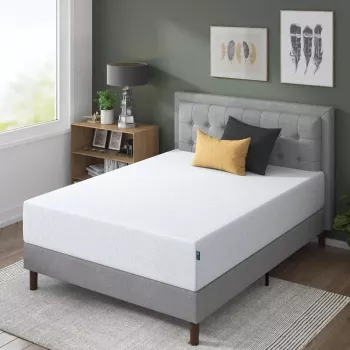
King Size 12 Inch Cooling Gel Memory Foam Mattress: Comfort, Support, and Cooler Sleep
A 12-inch gel-infused memory foam mattress in king size is built to balance pressure relief with a cooler, more comfortable sleep surface and steady full-body support. The king format adds room to spread out, while memory foam’s contouring can help reduce sharp pressure at the shoulders, hips, and lower back. Below is what this construction typically feels like, what really affects temperature, and what to check before buying if overheating, motion transfer, or joint sensitivity are top priorities.
What a 12-Inch Gel Memory Foam Build Feels Like
Gel-infused memory foam is designed to feel similar to classic memory foam—cradling and adaptive—while aiming to reduce heat buildup by distributing warmth through the foam structure. Many 12-inch mattresses use a layered approach (comfort layer, transition layer, and a denser support core), which can create a more stable “sink-in but supported” feel than thinner foam options.
Expect the surface to respond to body heat and pressure: shoulders and hips tend to settle in first, followed by the waist and lower back as the foam molds to your shape. Another hallmark is motion dampening. On a king bed, that can be a meaningful benefit for couples who don’t want to feel every position change across the mattress.
Cooling Performance: What Helps (and What Matters More Than Gel)
Gel infusion can help with initial heat dispersion, but overall temperature control depends on the whole sleep setup—airflow, cover fabric, room temperature, and (often overlooked) sheets and protectors. Even a “cooling” foam can sleep warmer if topped with a non-breathable mattress protector or heavy bedding that traps heat near the body.
For a cooler feel at the surface, breathable covers and moisture-wicking fabrics can reduce humidity buildup. If overheating is frequent, pairing the mattress with a cooling-oriented protector plus breathable cotton or bamboo sheets often has a bigger real-world impact than swapping foams alone.
Cooling factors and practical upgrades
| Factor | Why it matters | Easy upgrade |
|---|---|---|
| Cover fabric | Affects breathability and moisture handling at the surface | Choose a breathable mattress protector and natural-fiber sheets |
| Room airflow | Heat dissipates better with consistent air circulation | Use a fan or improve ventilation |
| Bedding thickness | Heavy comforters can trap heat against foam | Switch to a lighter duvet or seasonal bedding |
| Foundation airflow | Solid platforms may reduce airflow under the mattress | Use a slatted base with appropriate spacing if compatible |
For deeper reading on how memory foam behaves (including heat and contouring), see the Sleep Foundation guide to memory foam mattresses.
Support and Pressure Relief for Different Sleep Positions
How comfortable a foam mattress feels depends heavily on sleep position and body type. A 12-inch profile often gives enough depth for pressure relief on top while keeping a supportive core underneath, but firmness and layer design still matter.
- Side sleepers: Memory foam can be especially comfortable because it cushions shoulders and hips, helping reduce pressure points. A thicker comfort system may feel smoother and less “pushy” against the joints.
- Back sleepers: Balanced contouring is key—enough give to fill the lumbar curve without letting hips drop too far. Many back sleepers prefer a medium to medium-firm feel for consistent alignment.
- Stomach sleepers: Flatter support typically works best to reduce lower-back strain. A plusher foam build can let the midsection sink, so a firmer option is often more comfortable for strict stomach sleepers.
- Heavier sleepers: Look for a sturdier support core and a firmness level that prevents excessive sink through the midsection. Thickness helps, but density and construction determine long-term stability.
Foam quality can also affect performance and peace of mind. If a mattress foam is CertiPUR-US certified, it indicates the foam meets certain content, emissions, and durability standards (based on the certification’s testing criteria).
Motion Isolation, Edge Feel, and Couples’ Comfort
Memory foam is known for absorbing movement instead of bouncing it across the bed. That can be ideal for light sleepers, different schedules, or anyone who wakes easily when a partner changes positions.
Fit, Setup, and Room Planning for a King Mattress
Product Snapshot: King Size 12 Inch Cooling Gel Memory Foam Mattress
At-a-glance details
| Item | Details |
|---|---|
| Product name | King Size 12 Inch Cooling Gel Memory Foam Mattress |
| Size | King |
| Thickness | 12 inch |
| Material style | Cooling gel memory foam |
| Price | $1111.99 USD |
| Availability | In stock |
More In-Stock Picks
- Beige Travertine U-Shape Sculpture – Modern Stone Decor for Home Interiors
- Lightweight 3L Cycling Backpack for Running, Hiking & Outdoor Sports
Care Tips to Keep Foam Comfortable and Supportive
If you ever need to understand labeling details on bedding and textiles, the Federal Trade Commission’s textile labeling guidance provides helpful context.
FAQ
Does cooling gel memory foam actually sleep cool?
Gel infusion can reduce some initial heat buildup, but overall temperature depends more on cover breathability, bedding choices, room airflow, and ambient temperature. For noticeable improvement, use a breathable protector and cotton or bamboo sheets, and keep air circulating in the room.
Is a 12-inch memory foam mattress thick enough for adults?
Yes—12 inches is commonly considered a substantial profile that can accommodate comfort and support layers. The best fit still depends on body weight, firmness preference, and using a supportive foundation that prevents sagging.
How long should a compressed foam mattress expand before sleeping on it?
Many compressed foam mattresses are usable after several hours, but reaching full expansion can take 24–48 hours depending on materials and room conditions. For the most accurate guidance, follow the product’s included instructions and allow extra time in cooler rooms.












Leave a comment