EMS Heated Ab Belt: Safe Use, Results & Tips
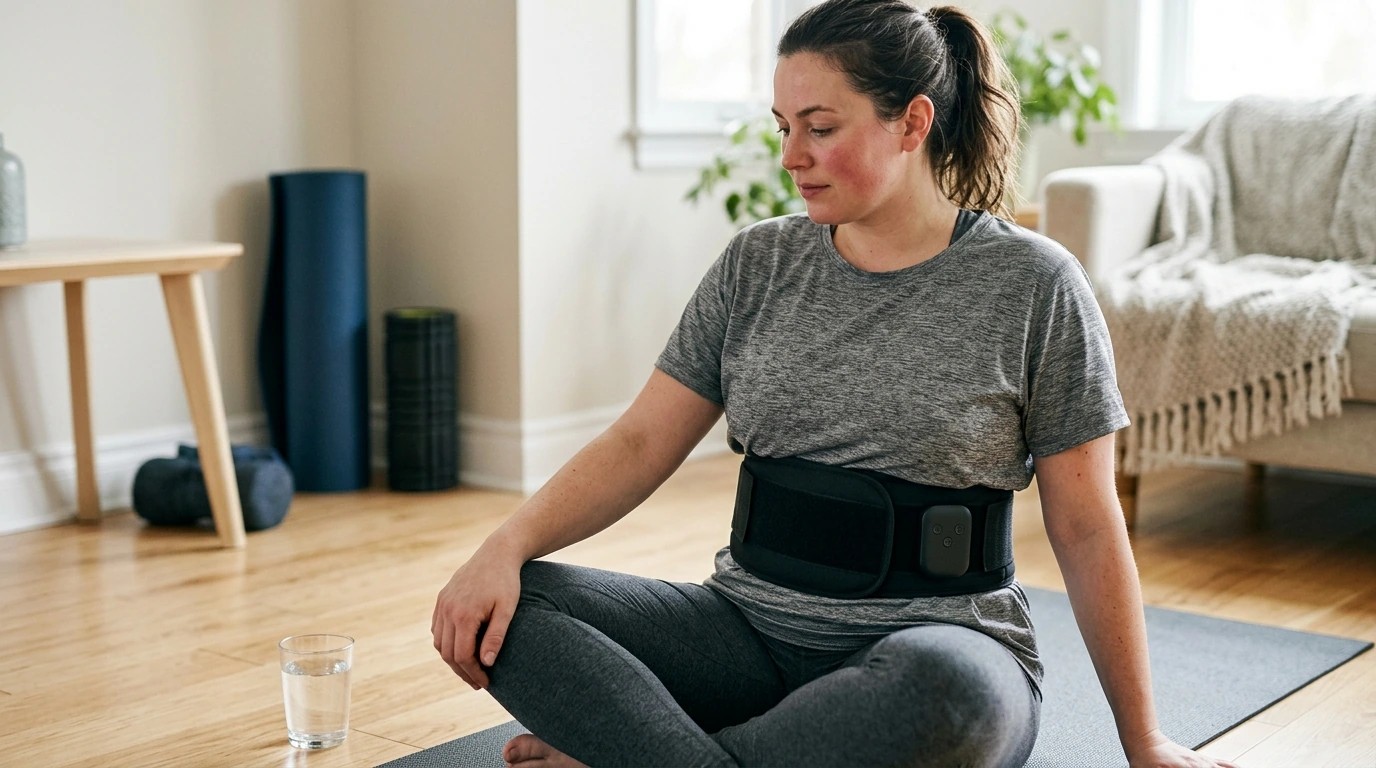
EMS Muscle Stimulator & Heated Ab Toning Belt for Waist Slimming & Massage: What It Does and How to Use It Safely
An EMS ab belt with heat combines electrical muscle stimulation (to trigger gentle, repeated muscle contractions) with warming comfort (to help you relax tight areas and stay consistent). When it’s used alongside regular movement, hydration, and balanced nutrition, it can support core “wake-up,” posture practice, and post-workout comfort—while still keeping expectations realistic about waist “spot reduction.”
How an EMS + heat ab belt works
Most EMS heated ab belts rely on two simple inputs: electrical pulses and warmth. Together, they can make a short daily session feel more effective (and more pleasant) than stimulation alone.
- EMS (electrical muscle stimulation): The belt sends low-level impulses through contact pads to cue contractions in targeted muscles. Intensity is usually adjustable—aim for strong-but-comfortable, never sharp or painful. For a medical-style overview of electrical stimulation basics, see the Cleveland Clinic’s explanation of electrical stimulation (e-stim).
- Heat: Warming settings are intended to increase comfort and loosen stiffness, which can be especially helpful after training or long periods of sitting. The Mayo Clinic offers practical guidance on safe heat therapy use.
- Massage modes/patterns: Rhythm changes (pulse, tap, wave) can reduce perceived tightness and help you stick to short routines because the session feels less monotonous.
- Real-world results depend on the basics: Your activity level, nutrition, and body composition drive visible changes. Treat the belt as an add-on, not a replacement for training.
Who may benefit most
These devices tend to be most useful for consistency and body awareness—especially when you’re trying to “find” your core without overthinking it.
- People who struggle to feel their core: EMS can provide a clear contraction cue that helps mind-muscle connection during light activity or recovery days.
- Office workers and drivers: Heat + pulsing stimulation can be a relaxing routine when your midsection and lower back area feel tight from long sitting.
- Fitness beginners rebuilding consistency: Short, repeatable sessions can be easier to maintain than long workouts at first.
- Maintenance phases: On low-energy days, a belt can add gentle engagement—while you still prioritize regular strength training and daily movement.
When not to use it: key safety notes
EMS and heat are generally straightforward, but they’re not “set it and forget it.” Basic safety rules matter.
- Implanted electronics: Avoid use with implanted electronic devices (like pacemakers) unless a clinician clears it.
- Skin and sensation issues: Don’t place pads over broken/irritated skin, areas of numbness, or anywhere heat could become uncomfortable without being noticed.
- Situational safety: Don’t use while sleeping, bathing, or driving. Stop immediately if you feel dizziness, sharp pain, or worsening irritation.
- Medical conditions: Pregnancy, epilepsy, heart conditions, or recent surgery warrant medical guidance first.
- Heat + EMS settings: Never set intensity/heat to a level that causes burning, stinging, or lingering redness. If you’re curious about consumer electrotherapy devices in general, NCCIH’s overview of TENS covers important considerations that also apply to similar at-home stimulation products.
What to expect (and what not to)
The most common wins are “feel” and comfort: a clearer abdominal contraction signal and a soothing post-session looseness. The most common disappointment is expecting the belt to directly melt waist fat.
| Goal | What the belt can support | What still drives results |
|---|---|---|
| Core activation | Helps cue contractions and mind-muscle connection | Progressive training and good technique |
| Waist slimming | May reduce temporary bloating/tightness perception post-session | Overall fat loss, posture, and muscle development |
| Recovery comfort | Heat + massage patterns can feel soothing | Sleep, hydration, mobility work, and load management |
| Consistency | Short sessions can fit busy schedules | A sustainable plan for workouts and nutrition |
How to use an EMS heated ab belt (a simple routine)
A safe routine is less about going “max intensity” and more about steady practice without irritating your skin.
- Prep: Clean and fully dry your skin. Skip lotions/oils beforehand—they can reduce pad contact and increase irritation risk.
- Fit: Wrap the belt snugly but not restrictive. Pads should sit flat for even stimulation across the abdomen.
- Start low: Use the lowest intensity for 2–3 minutes, then increase gradually to a firm contraction sensation.
- Session length: 10–20 minutes is a practical range. Keep heat at “comfortably warm,” not hot.
- Weekly cadence: 3–5 sessions per week works well. If your skin feels sensitive, take a day off and lower the next session’s intensity.
- Pairing idea: Use it during gentle walking, breathing drills (slow exhales with ribcage down), or a light mobility routine to reinforce posture and core control.
Tips to get better results from the belt
Product spotlight: easy add-ons for core activation and on-the-go routines
EMS Muscle Stimulator & Heated Ab Toning Belt for Waist Slimming & Massage
Lightweight 3L Cycling Backpack for Running, Hiking & Outdoor Sports
FAQ
Can an EMS ab belt burn belly fat?
It won’t reliably “spot reduce” belly fat. EMS can help activate and strengthen muscles, but fat loss is systemic and primarily driven by overall calorie balance, daily activity, and progressive training.
How often can an EMS heated belt be used?
For most people, 3–5 sessions per week (10–20 minutes each) is a practical starting range. You can do shorter daily sessions if your skin tolerates it well—reduce intensity or rest if irritation shows up.
Is it safe to use EMS with heat every day?
Daily use can be safe at comfortable settings if your skin remains calm and you avoid contraindications like implanted electronic devices, pregnancy without medical guidance, or broken/irritated skin. Stop immediately if you feel burning, sharp pain, or lingering redness.













Leave a comment