Goal Getter: A Simple System for Priorities & Goals
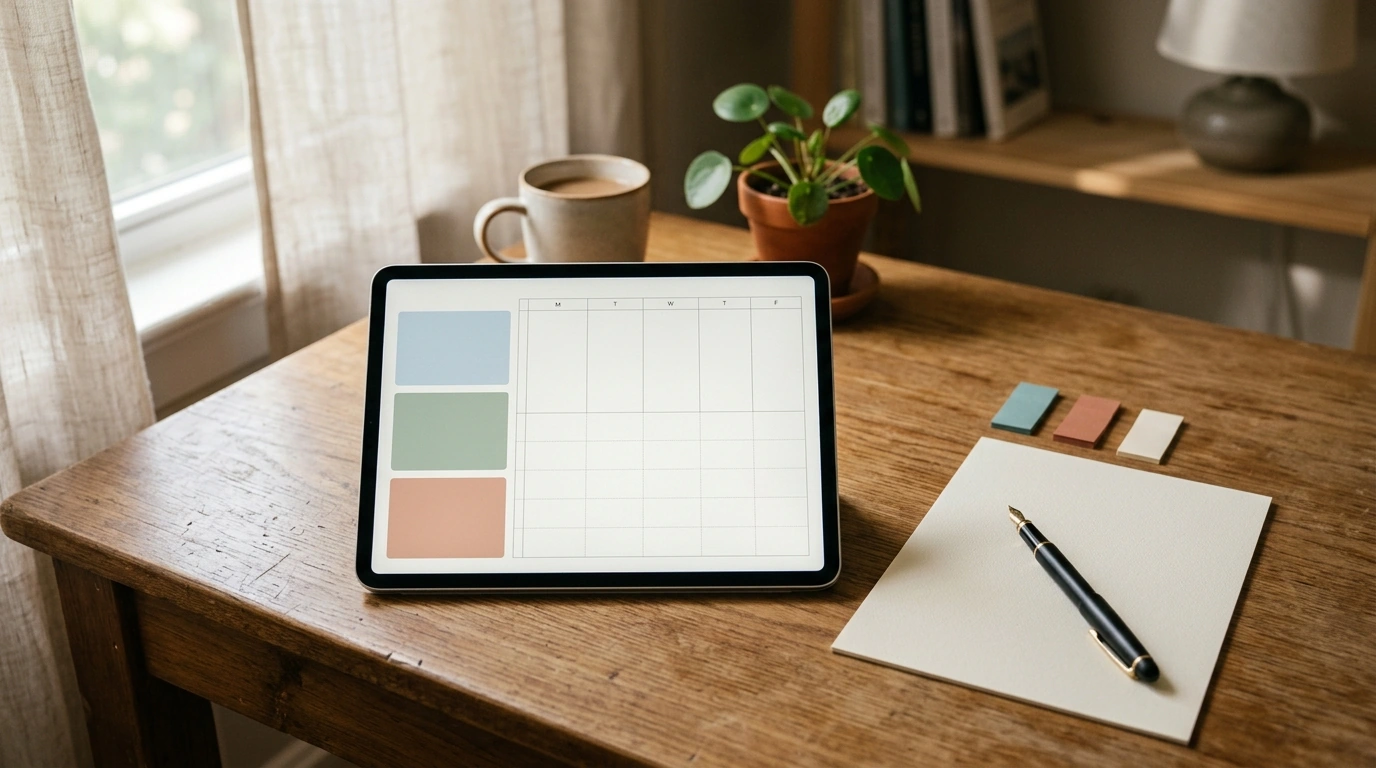
Goal Getter: Master Your Priorities, Master Your Life
Big goals get easier when priorities are clear. When everything feels important, planning can turn into endless lists, half-finished projects, and a constant sense of being behind. Goal Getter: Master Your Priorities, Master Your Life (Digital Download) is built to help turn scattered to-dos into a focused plan by choosing what matters most, setting realistic goals, and following through with simple routines that fit real life.
Instead of asking for more hustle, the approach is straightforward: narrow the focus, define what “done” looks like, break it into small actions, and protect time to actually do them. If you like planning that feels clean and usable (not complicated), this kind of structure can make progress feel less like pressure and more like momentum.
Why priorities slip (even with strong motivation)
Most people don’t struggle because they “don’t want it enough.” Priorities slip because the system around them is fuzzy, overloaded, or constantly changing.
- Too many goals at once forces constant switching, which creates shallow progress everywhere instead of meaningful progress somewhere.
- Urgent tasks crowd out important ones when there isn’t a weekly plan protecting what matters most.
- Vague goals stay stuck without a clear outcome, timeline, and next action you can do this week.
- Time and energy are finite; priorities act like a budget for attention, deciding what gets “funded.”
Research and practical guidance on goal-setting consistently emphasizes clarity and commitment—especially when goals are specific and supported by routines. For deeper reading, see the American Psychological Association’s overview of goal-setting (APA: The power of goals) and practical workplace framing from (Harvard Business Review’s goal-setting resources).
What “Goal Getter” helps organize
When planning feels heavy, it’s usually because the structure doesn’t match the reality of your schedule. Goal Getter focuses on a lightweight, repeatable way to decide what matters and keep it moving.
- A short list of top priorities that can realistically be maintained alongside work, family, and life admin
- Goals that are specific enough to act on, but flexible enough to adjust as circumstances change
- A clear path from long-term vision to weekly milestones to daily next steps
- A repeatable decision process for choosing what to say yes to (and what to pause)
- A clean structure for tracking progress without overcomplicating planning
Because it’s a digital download, it can fit your style: print pages you want to reuse, or annotate on a tablet using a PDF app.
A practical goal-and-priority workflow
The simplest planning systems tend to work best because they reduce friction. This workflow keeps the focus on decisions that actually drive results:
- Choose one focus area (career, health, money, relationships, learning, home) rather than trying to overhaul everything at once.
- Define the outcome in one sentence so you know exactly what “done” means.
- Pick 1–3 priorities for the next 4–12 weeks to protect momentum and reduce overload.
- Break each priority into milestones, then define the next tiny action you can do in 15–30 minutes.
- Schedule time blocks for next actions first, then fit smaller tasks around them.
- Set a weekly review to decide: continue, adjust, delegate, or drop.
- Track progress with a simple check-in: what moved forward, what stalled, what changes next week.
From priority to plan (quick mapping)
| Priority | Milestone | Next action | Time block |
|---|---|---|---|
| Finish a portfolio | Draft 3 case studies | Outline case study #1 | Tue 7:00–8:00 pm |
| Improve fitness | Complete 12 workouts | Pack gym bag + choose workout | Mon 6:30–6:45 am |
| Reduce monthly expenses | Cut $150 recurring costs | Review subscriptions list | Sat 10:00–10:30 am |
How to use the digital download week to week
Consistency doesn’t require long planning sessions—just the right cadence.
If habit-building support helps, James Clear’s practical guidance on systems and behavior change can pair well with this approach (James Clear: Goal Setting).
Choosing priorities when everything feels important
Common sticking points and simple fixes
Planning styles compared
| Style | Best for | Watch out for |
|---|---|---|
| Daily to-do list | Quick capture and simple days | Can become reactive without a priority filter |
| Weekly priorities | Balanced progress across responsibilities | Needs a weekly review to stay accurate |
| Monthly goal planning | Bigger outcomes and momentum | Can feel distant without weekly milestones |
| Time-blocking | Protecting deep work and consistent habits | Requires realistic scheduling and buffers |
What’s included and who it fits best
- Goal Getter: Master Your Priorities, Master Your Life (Digital Download)
- Lightweight 3L Cycling Backpack for Running, Hiking & Outdoor Sports (handy for commuting, gym sessions, or on-the-go planning)
- Beige Travertine U-Shape Sculpture – Modern Stone Decor for Home Interiors (a calm, minimalist desk or shelf accent for your workspace)
FAQ
How many priorities should be active at once?
Keep it to 1–3 active priorities for a 4–12 week window. Fewer priorities reduce context-switching and make it easier to protect time blocks; everything else can go on a “later list” so it’s not lost, just paused.
What if goals change mid-month?
Use a weekly review to adjust milestones and next actions without scrapping the entire plan. If the main outcome is no longer relevant, replace the priority intentionally—write down why it changed and define the next step for the new direction.
Is it better to plan daily or weekly?
Weekly planning sets direction, while daily planning chooses the next action that moves a priority forward. A quick weekly review plus a short daily check-in usually creates the best balance of clarity and flexibility.
















Leave a comment