Modern Minimalist Side Table: Size, Style & Placement
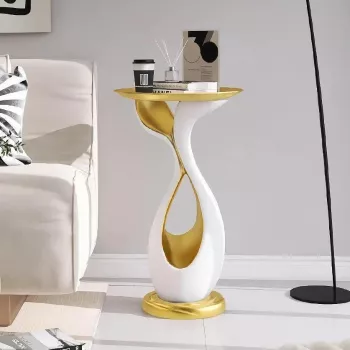
Modern Minimalist Side Table: Clean Lines, Everyday Function
A well-chosen side table quietly improves daily living—keeping essentials within reach, balancing a room’s proportions, and adding a refined surface without visual clutter. This modern minimalist side table focuses on simplicity, practical placement, and a calm silhouette that works across living rooms, bedrooms, and reading corners.
What Makes a Minimal Side Table Work
Minimalism isn’t about having less furniture—it’s about choosing pieces that do their job without demanding attention. A modern side table earns its place when the shape feels restrained, the surface is usable, and the whole piece looks “right” even when it’s mostly empty.
- A restrained silhouette that complements seating without competing with it
- A stable base and thoughtfully sized top for drinks, books, and small decor
- A finish and form that blend with wood, stone, metal, and upholstered furniture
- A piece that looks intentional even when left mostly empty
Quality matters for long-term performance, especially if the table will see daily use near seating. For a helpful overview of furniture performance considerations and testing categories, the ANSI/BIFMA furniture standards overview is a solid reference point.
Where It Fits Best at Home
Because minimalist tables avoid bulky storage and heavy detailing, they’re easy to move around as needs change—today beside the sofa, tomorrow as a nightstand. The most important factor is comfortable reach: the top should sit near where your hand naturally lands when you’re seated or standing nearby.
- Next to a sofa or sectional: keeps a cup, remote, or lamp close while preserving open walkways
- Beside an accent chair: creates a reading nook with a single, uncluttered surface
- As a bedside table alternative: ideal for minimal nightstand setups with a book and phone
- In small spaces: serves as a flexible landing spot without adding bulk
Placement Guide for Comfortable Use
| Spot | Suggested top height | What it should hold | Spacing tip |
|---|---|---|---|
| Sofa arm | Near arm height | Drink, remote, small tray | Keep a few inches from cushions to avoid spills |
| Accent chair | Near seat/arm height | Book, mug, small lamp | Leave knee clearance for easy entry/exit |
| Bedside | Near mattress top | Phone, glasses, book | Allow space for charging cable routing |
| Entry corner | Comfortable hand height | Keys, mail tray, small dish | Avoid blocking door swing and traffic lanes |
Proportions That Keep the Room Feeling Calm
Minimalist rooms can feel unsettled when surfaces are oversized or heights don’t align. Keeping proportions tight helps the table “disappear” into the layout while still being genuinely useful.
- Choose a top size that fits daily items without inviting clutter; a compact surface supports a minimalist look
- Match height to nearby seating for a smooth reach and a cohesive profile
- Consider base footprint for stability—especially on thick rugs or uneven flooring
- Use negative space intentionally: leaving part of the surface clear is part of the design
A practical rule: if the table regularly ends up holding more than a drink, a book, and one small accent, it’s probably acting as a catch-all. At that point, either reduce what lives there or relocate overflow to a closed storage piece so the side table stays visually quiet.
Materials and Finishes: Easy Pairings
A modern minimalist side table should coordinate with what’s already in the room—sofas, rugs, lighting, and hardware—without needing a perfect “match.” The most effortless pairings are the ones that share a single trait: tone, texture, or sheen.
- Wood tones soften modern interiors and pair well with linen, boucle, and neutral rugs
- Metal accents emphasize crisp lines and coordinate with lighting and hardware
- Stone- or travertine-inspired looks add weight and texture without busy ornamentation
- Matte finishes hide fingerprints and reduce glare, keeping the look understated
If the room already has mixed materials—like a fabric sofa, wood floor, and metal lamp—choosing a table with a simple profile is often more important than choosing a complex material. Clean geometry does the unifying work.
Styling Ideas That Stay Minimal
The simplest styling is also the most livable: keep what you touch every day organized, and keep decoration intentional. The goal is a surface that looks finished, not filled.
For a subtle finishing touch, one grounded accent in a natural material can add warmth without adding clutter. A small object with simple geometry—such as the Beige Travertine U-Shape Sculpture – Modern Stone Decor for Home Interiors—pairs especially well with minimalist tables because it reads as intentional even at a glance.
Care and Everyday Maintenance
If you’re choosing cleaning products for frequent wipe-downs in living spaces, the EPA Safer Choice program is a helpful guide for identifying options designed with safer chemical ingredients.
Product Spotlight
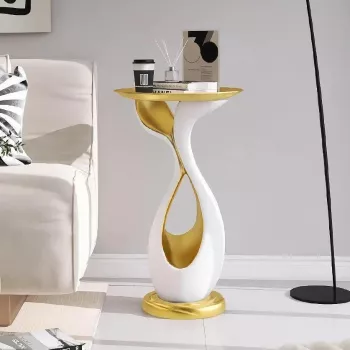
When the goal is calm, functional simplicity, a streamlined table with balanced proportions becomes an easy “yes” for multiple rooms. The Modern Minimalist Side Table is designed to blend into modern interiors without visual noise—useful beside seating, as a compact bedside option, or as a small display surface that won’t overwhelm the layout.
Modern Minimalist Side Table at a Glance
| Item | Price | Availability | Link |
|---|---|---|---|
| Modern Minimalist Side Table | 393.01 USD | In stock | View product |
FAQ
What height should a side table be next to a sofa?
Aim for a height close to the sofa arm or seat level so items are easy to reach. If cushions are tall or sink in, choosing a slightly taller table often feels more comfortable in daily use.
How can a side table look minimal without feeling empty?
Keep one functional grouping (like a tray with essentials) plus one simple accent (such as a small vase or sculptural object). Leaving open space is part of the minimalist look and helps the room feel calm.
Do side tables need to match the coffee table?
Matching is optional. A shared element—like a similar finish tone, a related leg shape, or the same metal color—is usually enough to make the pieces feel cohesive.










Leave a comment