65L Smart Self-Cleaning Litter Box: App Alerts & Setup
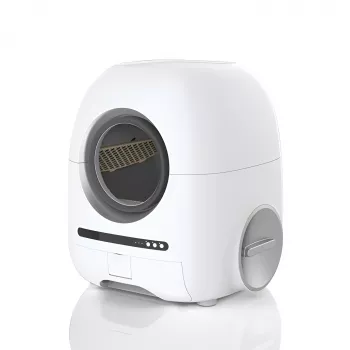
65L Automatic Self-Cleaning Smart Cat Litter Box with App Control
A smart, self-cleaning litter box can reduce daily scooping, help manage odor, and provide visibility into bathroom habits—especially useful in apartments and multi-cat homes. A 65L class automatic unit with app control is designed to keep the litter bed usable longer between full changes while giving you simple, at-a-glance updates on what’s happening (and what needs attention) without hovering over the box.
This guide breaks down what makes app-connected self-cleaning systems different, which features matter most, and how to set up a routine that cats actually accept.
What Makes an App-Controlled Self-Cleaning Litter Box Different
The biggest upgrade is consistency. Automatic cleaning cycles separate clumps from clean litter so the bed stays more inviting—often the difference between “fine for today” and an avoid-the-box situation. Many designs rotate or sift after each use, moving waste into a drawer while leaving clean litter behind.
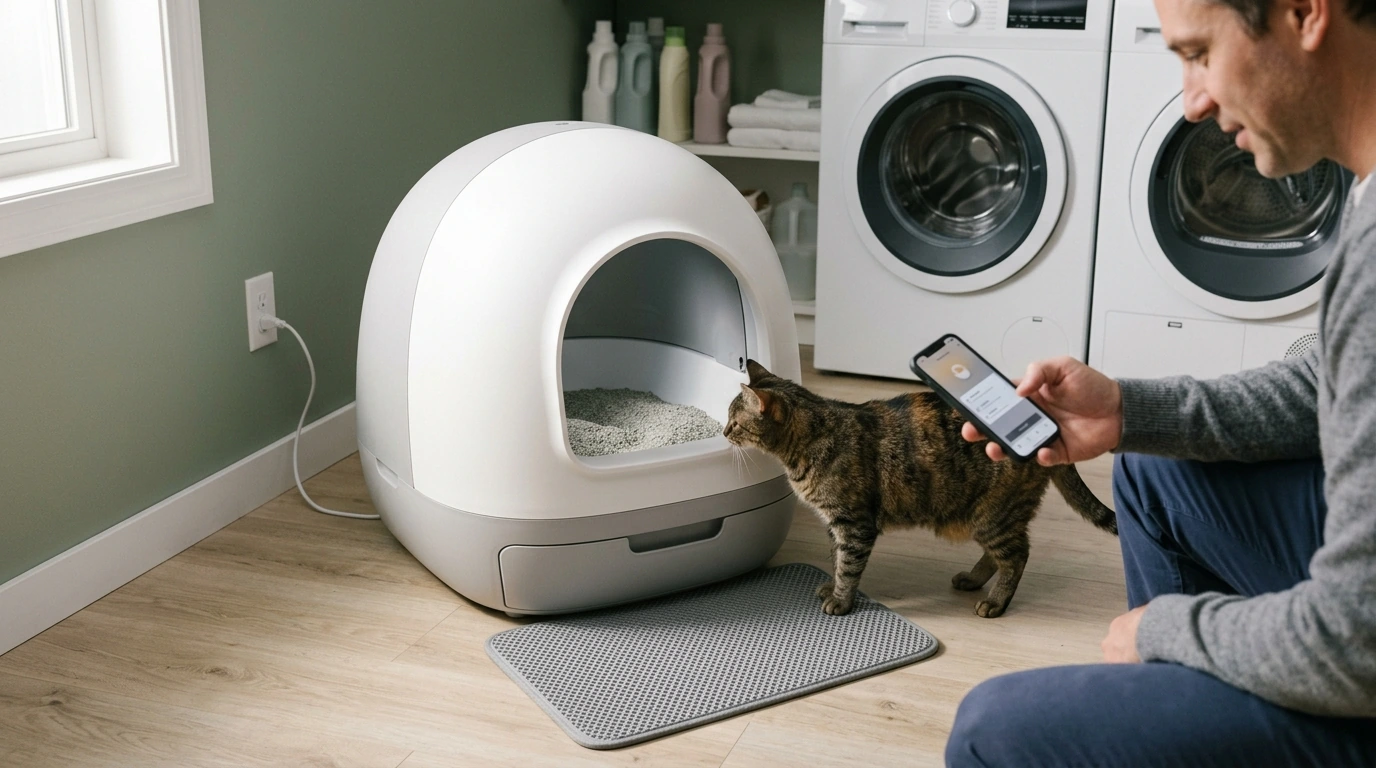
App control changes the day-to-day flow: you can schedule cycles, check status, and get notifications (like a full waste drawer or an error) without standing next to the unit. That’s especially handy if the box sits in a laundry room or a low-traffic corner where it’s easy to forget.
A larger 65L interior can also improve comfort. Bigger cats, cats that like to turn around fully, and multi-cat households often do better when the interior doesn’t feel cramped—less bumping, less awkward posture, and fewer “I’ll go somewhere else” moments.
Automation still works best with a predictable routine: stick with a compatible litter type, keep the box in a stable location, and empty the waste drawer before it reaches the “too full” point where odor escapes and cleaning performance drops.
Key Features to Pay Attention To
Not all self-cleaning boxes behave the same. Before buying, focus on the parts that affect comfort, odor, and reliability:
- Capacity and interior space: Look for enough room for a natural stance and turning. Entrance height matters for kittens, seniors, and cats with mobility limits.
- Waste containment: A sealed waste drawer/bin helps keep odor from spreading and makes daily maintenance quick.
- Noise and cycle behavior: Quieter motors and smoother movement reduce the chance of startling sensitive cats.
- Sensor-driven safety: Presence/weight sensors should pause motion if a cat is inside or re-enters during a cycle.
- App experience: Useful alerts (full bin, errors), simple scheduling, and reminders that support hygiene.
Quick Feature Checklist for a Smart Self-Cleaning Litter Box
| Feature | Why it matters | What to verify before buying |
|---|---|---|
| 65L class interior volume | More comfortable use for larger cats and turn-around behavior | Internal dimensions and entrance size; placement space in the home |
| App control | Remote schedules, notifications, and usage visibility | Compatible phone OS, alert types, and whether Wi‑Fi setup is required |
| Automatic raking/rotating cleaning | Reduces daily scooping and keeps litter bed fresher | Cycle timing options and whether cleaning can be delayed after use |
| Odor control design | Improves air quality in small spaces | Waste bin seal, filter options, and how often it must be emptied |
| Safety sensors | Prevents operation while a cat is present | Pause/stop behavior when weight/presence is detected |
Setup for Smooth Cat Acceptance
For more on litter box comfort and home setup, helpful guidance is available from the American Association of Feline Practitioners (AAFP).
Daily Use: Cleaning Cycles, Odor, and App Alerts
In multi-cat homes, app usage patterns can be a quiet advantage. A noticeable increase (or decrease) in visits compared to normal can be an early sign something is off. For persistent litter box problems or sudden changes in bathroom habits, the ASPCA’s litter box behavior overview is a practical starting point.
Maintenance That Keeps Performance Consistent
Safety, Comfort, and When Automation Isn’t a Fit
Product Snapshot: 65L Automatic Self-Cleaning Smart Cat Litter Box
If the goal is less scooping and more predictability, the 65L Automatic Self-Cleaning Smart Cat Litter Box with App Control is built around hands-off cleaning with app-based scheduling and alerts. Its 65L class interior is aimed at comfortable use and longer intervals between full litter changes, while a sealed waste area helps keep odor more contained in smaller homes.
Check price and availability for the 65L smart self-cleaning litter box to confirm current details.
If you’re refining the space around the litter area—especially in open-plan apartments—simple decor can help it feel more intentional. The Beige Travertine U-Shape Sculpture – Modern Stone Decor for Home Interiors is an optional add-on for nearby shelving or a console table to visually “anchor” the corner without adding clutter.
FAQ
How often does an automatic self-cleaning litter box need to be emptied?
Most homes empty the waste drawer every few days for one cat and more often for multiple cats, depending on drawer size and odor sensitivity. Full litter replacement is usually less frequent than drawer emptying because clean litter is continuously reused after each cycle. App “full” alerts are a good practical trigger to prevent overfilling.
Is app control necessary, or can it run without the app?
Many smart litter boxes can handle basic cleaning with onboard controls, while the app adds scheduling, remote status checks, and notifications. App control is most helpful when the box is out of sight or when you want alerts for drawer fullness and errors. If Wi‑Fi is unreliable, it’s still important to have straightforward manual options.
What litter works best with a self-cleaning smart litter box?
Clumping litter is typically the best match for sifting or rotating designs because it forms removable clumps that separate cleanly. Avoid very lightweight litters that track easily and very dusty litters that can coat sensors and seals. If you need to change litter types, switch gradually to reduce rejection.











Leave a comment