Save $10,000 in a Year: Monthly, Weekly & Paycheck
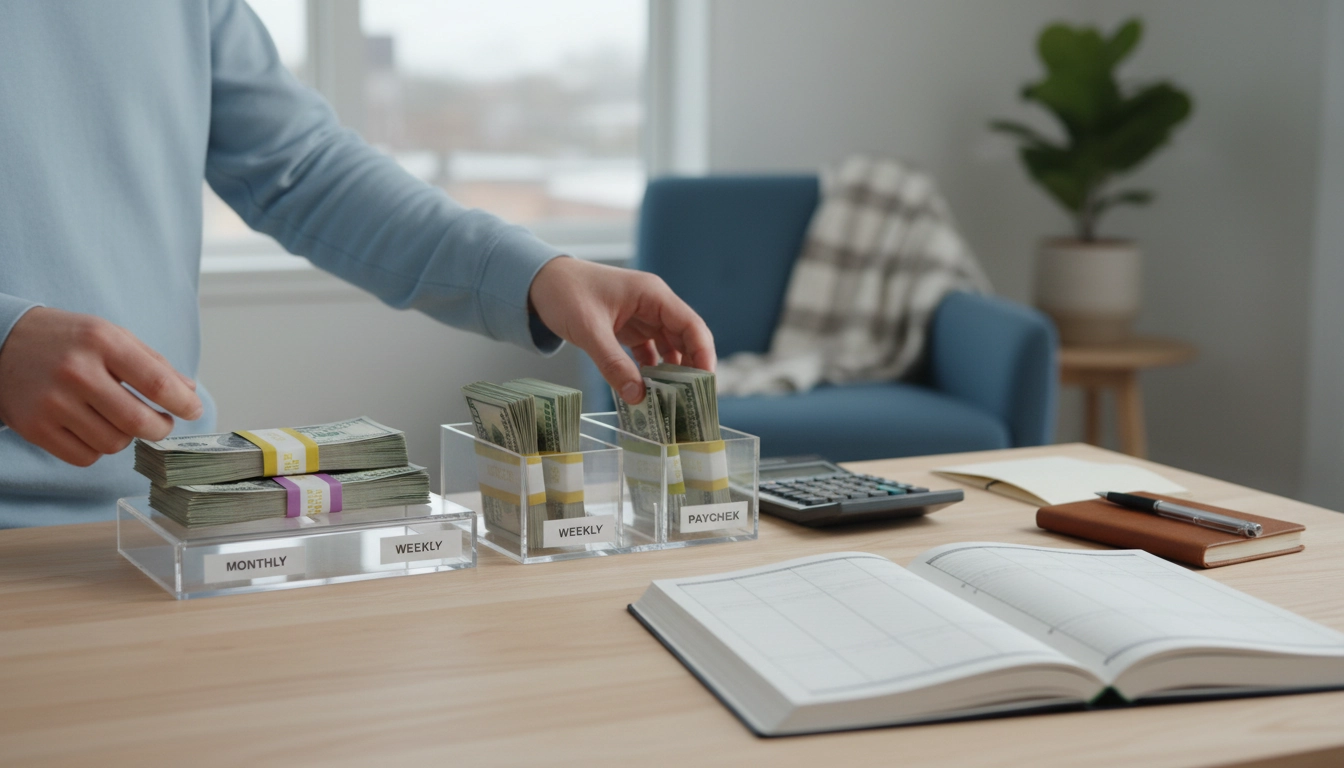
How much do I have to save every month to save $10,000 in a year?
To save $10,000 in one year, you’d need to set aside about $833.33 per month ($10,000 ÷ 12 months). If you prefer weekly targets, that’s roughly $192.31 per week ($10,000 ÷ 52 weeks). Rounding up to $850 per month can help cover months with extra expenses or missed contributions.
A simple month-by-month plan
The cleanest approach is to treat the monthly amount like a bill: move it out of your checking account on payday before you have a chance to spend it. If you get paid twice a month, aim for about $416.67 per paycheck. If you’re paid biweekly (26 checks per year), set aside about $384.62 per paycheck.
Make the goal easier without “feeling” $833 every month
If $833/month sounds steep, break it into smaller buckets: for example, $500 from income trimming (subscriptions, dining out, renegotiated bills) plus $333 from a temporary side income or a planned reduction in discretionary spending. Another option is to start with $700/month and make up the gap during higher-income months (bonuses, tax refund, or seasonal overtime).
Where to put the money
If the money is for a near-term goal, consider a separate high-yield savings account so it’s harder to dip into and easier to track. Naming the account “$10K Fund” can also reduce accidental spending.
For a more detailed strategy (including automation ideas and a structured monthly plan), see the guide here: https://uniqualle.com/guide-save-50k-in-12-months-monthly-plan-automation/.
For Save $10,000 in a Year: Monthly, Weekly & Paycheck, the best answer depends on fit, material, care instructions, and how the product will be used day to day.
FAQ
What are the easiest expenses to cut to save more each month?
Start with recurring costs you won’t miss daily: unused subscriptions, premium cable/streaming bundles, bank fees, and high-cost phone plans. Next, target variable spending like takeout, delivery fees, and impulse purchases by setting a weekly cap.
















Leave a comment