Remove Pet Scratches From Velvet: Easy Pile Fixes
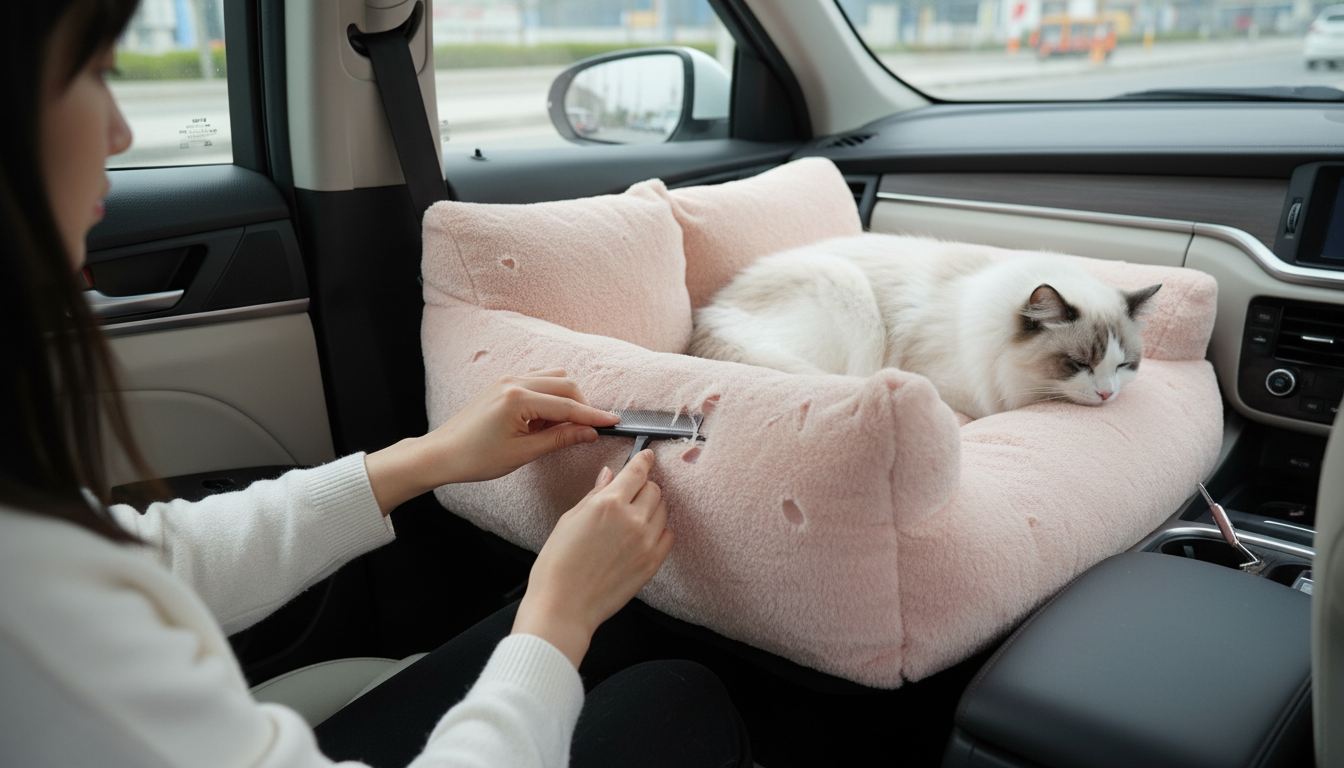
How to get pet scratches out of velvet?
Velvet can look “scratched” after a pet kneads or skims the surface with claws, but most marks are actually flattened or shifted fibers. The goal is to lift the pile back up and re-align it without soaking the fabric or rubbing too aggressively.
1) Start with a gentle brush and vacuum
Lightly vacuum with an upholstery attachment to remove hair and grit that can worsen scuffs. Then use a soft upholstery brush (or a clean, dry microfiber cloth) and brush with the nap—usually the direction that feels smoothest when you run your hand across the velvet.
2) Use steam to revive the pile
Hold a garment steamer a few inches from the fabric and steam the scratched area briefly (don’t drench it). While the fabric is still warm, brush gently with the nap to lift the fibers. No steamer? Use the steam setting on an iron held above the surface—never press the iron directly onto velvet.
3) Try the “damp cloth + lift” method for stubborn marks
For deeper-looking scratches, slightly dampen a clean cloth with distilled water and blot the area (don’t rub). Let it sit for a minute, then brush with the nap as it dries. This can help relaxed fibers stand back up without leaving water rings.
4) Separate snagged loops carefully
If you spot a true snag (a pulled thread rather than a flat mark), don’t yank it. Use a needle to gently coax the pulled fiber back into place from the underside if possible. If that isn’t possible, trim only the very tip of a long, loose fiber—never cut into the base fabric.
5) Prevent repeat marks
Keep nails trimmed and place a soft throw in your pet’s favorite spot. Choosing a cozy, dedicated lounging option can also reduce scratching on upholstered pieces; see the extra-large velvet cat sofa bed guide here: https://uniqualle.com/guide-extra-large-velvet-cat-sofa-bed-warm-nest-comfort/.
FAQ
Can you use a lint roller on velvet?
Yes—use a gentle lint roller and roll with the nap to avoid creating new tracking marks. If the velvet is delicate, a vacuum upholstery tool or a slightly damp rubber glove can be even safer.














Leave a comment