Wall-Mounted Ceramic Sink + Stainless Stand: Buying Guide
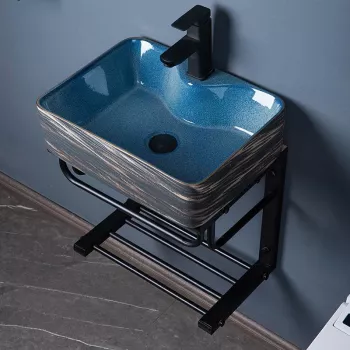
Wall-Mounted Ceramic Sink with Stainless Steel Stand: Clean Lines, Strong Support
A wall-mounted ceramic sink paired with a stainless steel stand balances open, modern styling with practical support. This setup can save visual space, simplify floor cleaning, and bring a durable, moisture-resistant structure to bathrooms, washrooms, and utility areas. Below is a clear breakdown of what matters most—materials, mounting realities, sizing, plumbing, care, and where this style fits best.
What This Sink-and-Stand Setup Is Best For
- Bathrooms where an airy, open look is preferred over full cabinetry
- Powder rooms needing a refined focal point without heavy visual bulk
- Utility or wash-up zones that benefit from easy wipe-down surfaces
- Spaces where a stand helps distribute load while the basin remains wall-mounted
- Projects seeking a blend of classic ceramic with industrial-leaning stainless steel
Because the basin is mounted to the wall, the floor remains more visible—an advantage in compact rooms where bulky vanities can feel tight. The stainless steel stand adds confidence when daily use is heavy (kids’ bathrooms, guest washrooms, light commercial spaces) while keeping the aesthetic light and straightforward.
Materials That Matter: Ceramic Basin + Stainless Steel Stand
- Ceramic basin advantages: non-porous glazed surface, stain resistance, and a bright, clean appearance under most lighting
- Ceramic considerations: avoid hard impacts; use non-abrasive cleaners to maintain the glaze
- Stainless steel stand advantages: corrosion resistance in humid rooms, structural rigidity, and compatibility with contemporary fixtures
- Stand finish considerations: wipe after splashes to reduce water spots; use mild soap and a soft cloth to preserve sheen
- Good pairing logic: ceramic handles daily water exposure well, while stainless steel supports long-term stability and easy sanitation
If you’re comparing stand materials, stainless steel is a common choice for wet environments thanks to its corrosion resistance and strength-to-profile ratio. For a helpful overview of stainless basics and why it performs well in demanding settings, see the American Iron and Steel Institute’s stainless steel overview.
Installation & Mounting: What to Check Before Buying
- Wall structure: confirm stud placement or appropriate blocking; wall-mounted sinks rely on secure anchoring and correct fasteners
- Plumbing placement: verify supply and drain rough-in locations; consider whether the stand will partially conceal lines or leave them exposed
- Height planning: common comfort height varies by user; align mounting height with mirror and lighting placement
- Floor level: an uneven floor can affect how the stand contacts the surface; confirm adjustability or plan for shimming if required
- Clearances: ensure door swings, drawers, and knee space align with the basin projection and stand footprint
For accessibility-minded layouts, clear floor space and approach considerations matter as much as the mounting hardware. The 2010 ADA Standards are a useful reference point when planning clearances and fixture placement, especially in shared or public-facing spaces.
Sizing & Layout: Getting the Proportions Right
- Measure three zones: wall width available, basin projection into the room, and side clearances to adjacent fixtures
- Decide how much counter-like rim space is needed for soap and daily items; wall-mounted basins vary widely in usable rim area
- If using a vessel-style faucet or taller spout, confirm spout reach and splash control relative to bowl depth
- Plan for towel placement: hooks or bars should be reachable without dripping across the room
- If the stand is visible, match its lines with nearby hardware (faucet finish, shower trim, mirror frame) for a cohesive look
Quick Fit Checklist
| Check | Why it matters | What to confirm |
|---|---|---|
| Wall support | Prevents sagging and movement over time | Studs/blocking and correct mounting hardware |
| Rough-in alignment | Avoids costly rework | Drain and supplies line up with basin/stand geometry |
| Height | Comfort and accessibility | Mounting height works with users and mirror placement |
| Projection | Keeps walkways clear | Basin depth doesn’t crowd doors or traffic paths |
| Finish coordination | Creates a unified look | Stand and faucet finishes complement each other |
Care, Cleaning, and Long-Term Durability
If you’re also updating the faucet, choosing a water-efficient option can reduce splashing and cut consumption without changing your daily routine. The EPA WaterSense program is a practical guide for identifying fixtures designed to save water while maintaining performance.
Style Pairings: Fixtures, Mirrors, and Lighting That Work
Product Details at a Glance
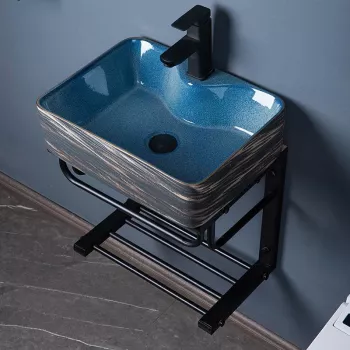
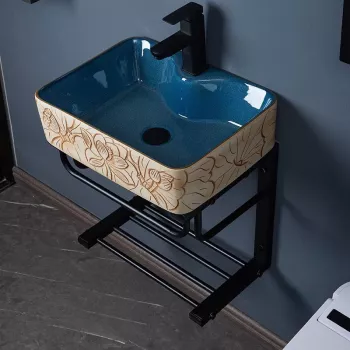
For a clean, utility-first look with strong support, the Wall-Mounted Ceramic Sink with Stainless Steel Stand pairs a glossy ceramic basin with a moisture-resistant metal frame. It’s a strong fit for bathrooms and wash areas where easy cleaning and a lighter visual footprint are priorities.
For an easy styling add-on, the Beige Travertine U-Shape Sculpture – Modern Stone Decor for Home Interiors brings a warm, natural counterpoint to stainless steel and white ceramic—useful for shelves, niches, or a nearby ledge.
Listing Snapshot
| Item | Value |
|---|---|
| Name | Wall-Mounted Ceramic Sink with Stainless Steel Stand |
| Price | 1184.65 USD |
| Availability | In stock |
FAQ
Does a wall-mounted sink with a stand still need to be anchored to the wall?
Yes. The sink should be mounted into studs or solid blocking with the correct hardware; the stand helps stabilize and share the load but does not replace proper wall anchoring.
Is stainless steel a good choice for a humid bathroom?
Yes. Stainless steel is commonly used in wet, humid environments for its corrosion resistance, and a simple wipe-down routine helps keep the finish consistent and spot-free.
How should a ceramic sink be cleaned without damaging the surface?
Use mild, non-abrasive cleaners with a soft cloth or sponge. Avoid scouring pads and harsh products that can dull the glaze over time.













Leave a comment