Japanese Money Saving Method: Kakeibo Explained
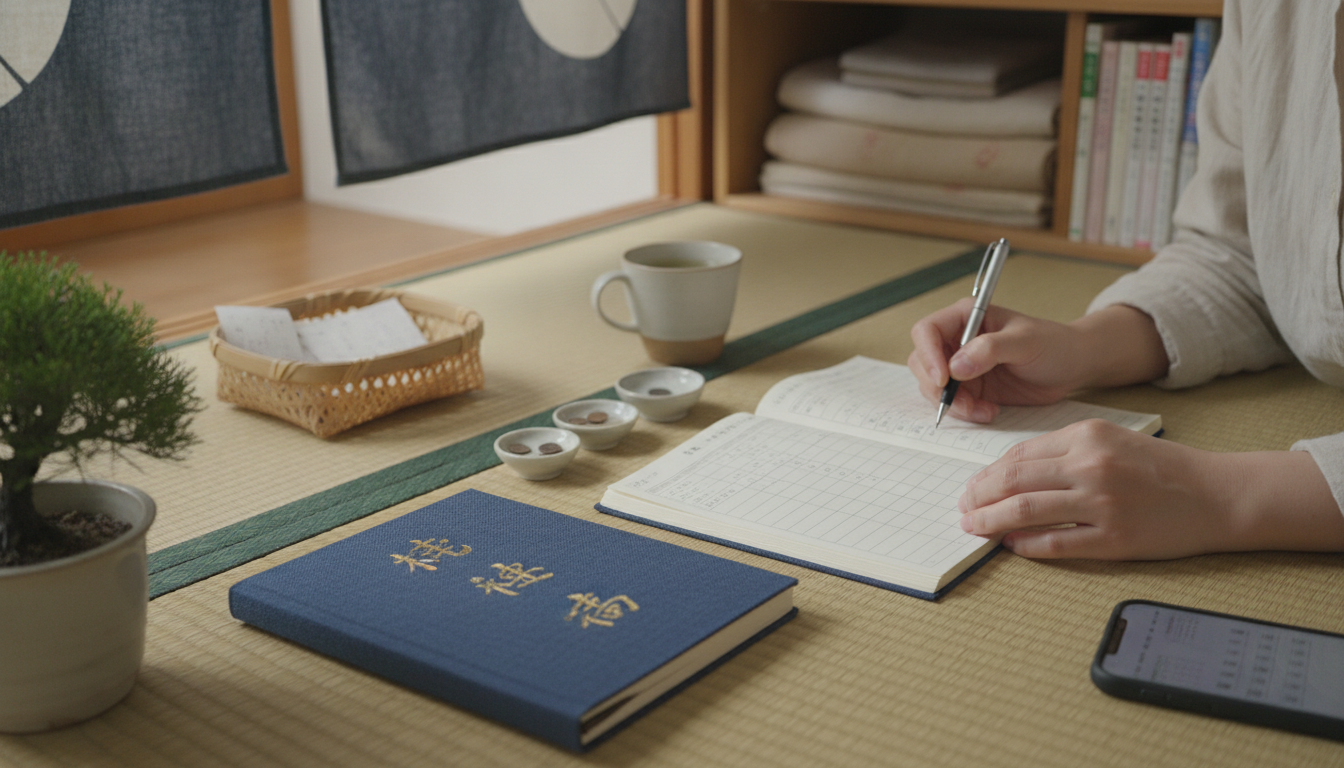
What is the Japanese money saving method?
The “Japanese money saving method” most people mean is kakeibo (pronounced kah-keh-boh), a simple, pen-and-paper budgeting practice that focuses on mindful spending rather than complicated spreadsheets. Popularized in Japan in the early 1900s, kakeibo helps you slow down, track where your money goes, and make intentional choices that fit your priorities.
How kakeibo works (the core steps)
Kakeibo is built around a repeating monthly rhythm. First, note your income for the month. Next, subtract your fixed expenses (rent/mortgage, utilities, subscriptions, insurance) and set a clear savings goal. What’s left becomes your spending limit for variable purchases.
Then, every time you spend, write it down and categorize it. Many kakeibo users group purchases into four buckets: needs (groceries, transit), wants (eating out, entertainment), culture (books, learning), and unexpected (medical, repairs). At the end of the week and month, review totals and reflect with a few quick prompts, such as: “What surprised me?” and “What can I adjust next month?”
Why it saves money for real life
Kakeibo’s power is its simplicity: writing things down creates a pause between impulse and purchase. The method also makes trade-offs visible—spending more in one category means spending less elsewhere—so “small” purchases don’t disappear unnoticed. Over time, the habit encourages calmer, values-based decisions instead of willpower-driven restriction.
How to start today (no special tools)
Use a notebook or a notes app, pick a start date, and commit to tracking for 30 days. Keep your categories consistent, review weekly, and set one realistic change for the next week (like fewer convenience purchases or a tighter “wants” cap). For a more minimalist, calm approach to building savings habits, see the full guide here: https://uniqualle.com/guide-zen-minimalist-savings-checklist-calm-wealth-building/.
FAQ
What’s the difference between kakeibo and a typical budget?
Kakeibo emphasizes mindful reflection and simple categories over detailed line-item forecasting. It’s designed to change spending behavior through awareness, not just math.
















Leave a comment