6-Channel RC Fighter Plane Guide: 2.4G EPP Glider

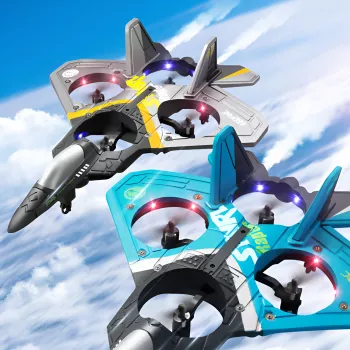
Remote Control 6-Channel Fighter Plane: EPP Foam Glider for Outdoor Flying and Kids’ Gifts
A 6-channel RC fighter-style airplane blends hands-on piloting with a quick learning curve and the everyday toughness many families want for outdoor play. If you’re stepping up from simpler 2–4 channel models, the extra control authority can feel exciting—and a little sensitive—at first. Below is a practical guide to what the channels do, what 2.4G radio performance means in real use, how to set up safely, and how to choose a flying spot that helps new pilots build confidence fast.
What Makes a 6-Channel RC Fighter Plane Different
A 6-channel RC airplane typically offers more precise steering and more maneuver options than basic trainers. That doesn’t automatically make it “hard,” but it does reward smoother stick inputs and a step-by-step practice plan.
- More control authority: With more channels, you can coordinate movements for cleaner turns and better corrections.
- Fighter-style response: Many fighter-like airframes feel more agile, so small inputs matter.
- 2.4G radio reliability: Modern 2.4GHz systems are designed to reduce interference and make it easier for multiple pilots to fly in the same area.
- EPP foam durability: EPP prioritizes resilience and repairability—two big wins for learning.
Understanding the Controls: A Simple 6CH Breakdown
Think of the transmitter as a way to manage speed, attitude, and direction. Learning happens faster when you practice one skill at a time.
- Throttle: Controls motor power and climb rate. Use gradual changes—sudden throttle moves can lead to abrupt climbs and stalls.
- Elevator (pitch): Nose up/down. Gentle pulls help maintain stable climbs and keep turns from dropping altitude too quickly.
- Ailerons (roll): Rolls left/right to bank. Small movements make smoother, wider turns (especially important for beginner flights).
- Rudder (yaw): Helps coordinate turns and correct for crosswind drift during takeoff and landing.
- Trim: Fine-tunes straight flight so you aren’t holding constant stick pressure just to fly level.
Beginner progression: Start with level flight, then wide oval turns, then figure-eights. Save tighter maneuvers until takeoffs, landings, and basic orientation feel automatic.
Why EPP Foam Is a Smart Choice for Kids and Beginners
EPP foam is popular in beginner-friendly RC aircraft because it can handle the “learning bumps” that happen while mastering throttle control and orientation.
- Impact resistance: EPP is known for springing back after minor knocks.
- Lightweight advantage: Lighter foam airframes can reduce damage during low-speed mishaps compared with heavier materials.
- Simple repairs: Many fixes are quick—foam-safe glue or reinforced tape can get you back in the air without a full rebuild.
- Easy to carry: Lightweight builds are simpler for kids to transport and for parents to pack for a park day.
Where It Flies Best: Picking a Safe, Fun Location
The best “upgrade” for smoother flights isn’t a new part—it’s a better flying space. A roomy field gives beginners time to react and correct gently.
- Choose open ground: Avoid roads, trees, power lines, crowds, pets, and parked cars.
- Watch the wind: Calm weather is ideal. Stronger winds can overwhelm lighter foam models and make landings feel rushed.
- Create a flight line: Keep a clear takeoff/landing lane and stand behind the flight path.
- Set boundaries: Maintain visual line of sight and decide how far the aircraft may go before you fly.
- Use a spotter: For younger pilots, an extra set of eyes helps keep the area safe while the pilot focuses on the sticks.
For community-based safety guidance, review the FAA recreational flying guidance and the Academy of Model Aeronautics safety handbook.
Setup Checklist Before the First Flight
A careful preflight reduces surprises and helps the first launch feel controlled instead of chaotic.
Feature and Use Snapshot
| What to Check | Why It Matters | Practical Tip |
|---|---|---|
| 6-channel control | Enables more precise maneuvers and learning progression | Practice small stick movements; smooth beats fast |
| 2.4G radio link | Helps reduce interference and supports shared flying areas | Keep the transmitter batteries charged and dry |
| EPP foam airframe | Improves survivability during beginner mishaps | Use foam-safe adhesive for repairs |
| Open-field suitability | Reduces risk to people/property and improves control | Avoid flying near trees, wires, and traffic |
| Trim and preflight check | Stabilizes straight flight and prevents immediate veering | Do a short test hop before committing to a full flight |
Gift-Ready Tips: Making the First Day Fun (Not Frustrating)
Common Issues and Quick Fixes
Product Options Available Now
- Remote Control RC Airplane 6CH Fighter Toy, 2.4G EPP Foam Glider, Kids Gift — Best for open-field flights, supervised kids’ learning sessions, and beginners ready to move beyond 2–4 channel controls.
- Lightweight 3L Cycling Backpack for Running, Hiking & Outdoor Sports — Handy for carrying tape, foam-safe glue, a small tool kit, and a spare battery while keeping hands free.
FAQ
Is a 6-channel RC airplane too advanced for kids?
It can work well with supervision, calm weather, and a wide-open flying area. Start with gentle inputs and simple goals like level flight and wide turns before attempting tighter maneuvers.
What does 2.4G mean on a remote control airplane?
2.4G refers to a 2.4GHz radio control link designed to reduce interference and allow multiple pilots to fly nearby more reliably. Always keep line of sight and do a quick range check before the first full flight.
How durable is EPP foam for beginner crashes?
EPP foam is known for impact resistance and often rebounds from minor bumps with minimal damage. Many small issues can be repaired quickly with foam-safe glue or tape, but flying in an open area helps prevent harder impacts.














Leave a comment