Nordic Solid Wood Mobile Cart: Rolling Storage, Less Clutter
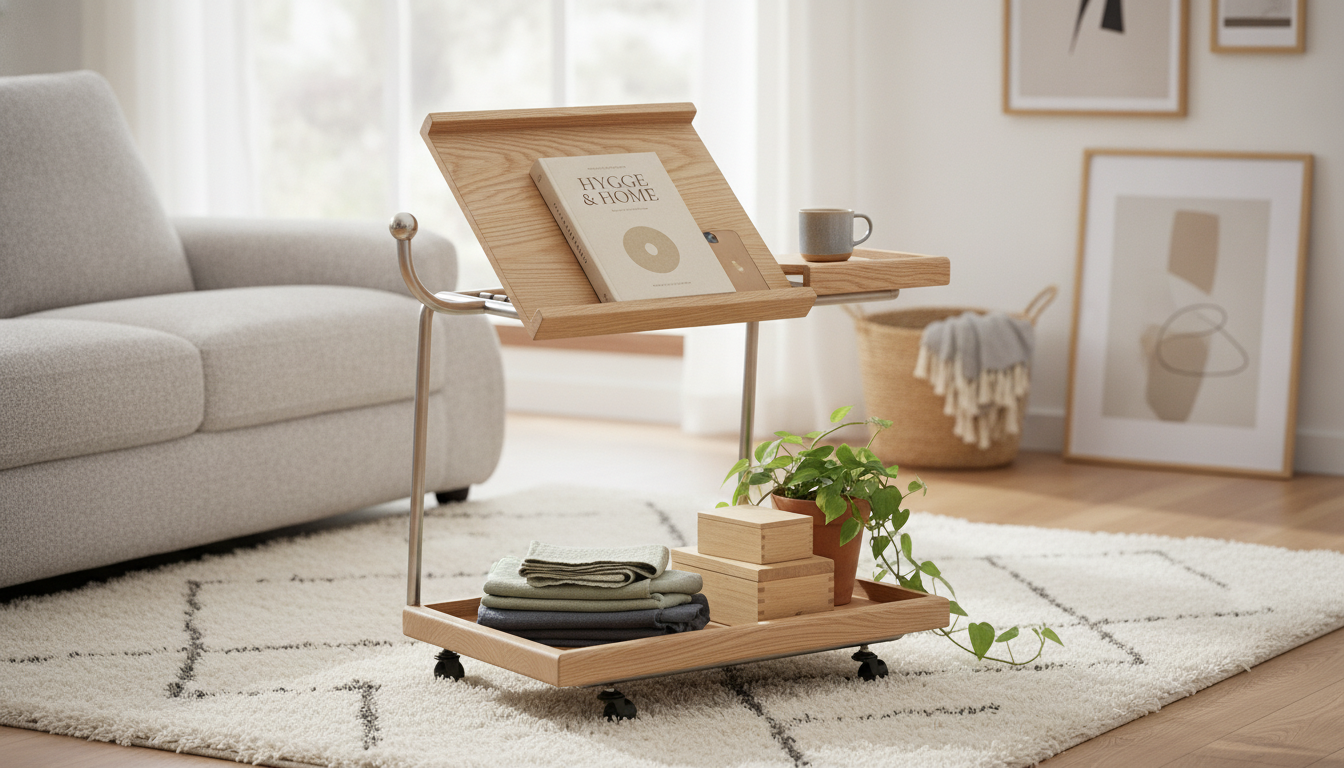
Nordic Mobile Cart Solid Wood Storage Table: Flexible Storage with a Clean, Natural Look
A mobile solid-wood storage table brings order to everyday routines without adding visual clutter. This Nordic-inspired cart is designed to move where it’s needed—beside a sofa, in a kitchen corner, next to a desk, or as a compact serving and staging surface—while keeping essentials organized and easy to reach. For homes that do double-duty (work, relaxing, hosting, and everything in between), a rolling wood cart can act like a “reset button” that helps spaces feel calm again in minutes.
What Makes This Mobile Storage Table Useful
A well-designed mobile cart earns its place because it combines several furniture jobs into one footprint. Instead of spreading items across counters, side tables, and shelves, it keeps the daily essentials in a single, movable zone.
- Combines a work surface with storage, so frequently used items stay in one place.
- Mobile format helps adapt spaces quickly—hosting, cleaning, crafting, or daily reset routines.
- Solid-wood construction adds warmth and durability compared with lightweight composite carts.
- Nordic styling keeps the look calm and minimal, blending into many interiors.
If you’re looking for a streamlined option with a natural finish, the Nordic Mobile Cart Solid Wood Storage Table fits the role of a flexible “micro-station” that can travel between rooms as needs change.
Where It Fits: Room-by-Room Ideas
Because it rolls, a storage table can be set up for a specific routine, then moved out of the way when the routine is done. That’s especially helpful in apartments, open-plan layouts, and multi-use rooms.
- Kitchen: coffee and tea station, prep-side helper, pantry overflow, fruit and snack storage.
- Dining: compact serving cart, extra flatware storage, dessert or beverage staging during gatherings.
- Living room: side table for books and remotes with hidden storage for chargers and games.
- Home office: printer stand, paper and stationery organizer, cable management hub.
- Bedroom: bedside alternative with room for skincare, books, and folded accessories.
- Entryway: drop zone for keys and bags with storage for hats, gloves, or shoe-care items.
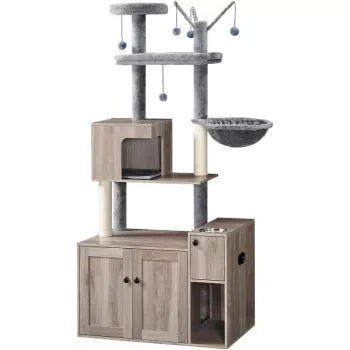
For households balancing people-stuff and pet-stuff, pairing a clean storage cart with a dedicated pet zone can help keep walkways and corners tidy. A separate station like the Multi-Functional Cat Tree with Litter Enclosure, Food Station & Storage can consolidate feeding and supplies while the cart handles human-day essentials nearby.
Key Features to Look For Before Buying
Mobile furniture should feel easy to control, steady when loaded, and simple to maintain. Small details—like wheel material or how the shelves are spaced—make a big difference in daily use.
- Wheel quality: smooth-rolling casters reduce floor scuffs and make repositioning easy.
- Stability: a wider base and balanced storage layout helps prevent tipping when loaded.
- Surface durability: a sealed top resists minor spills and makes wipe-downs faster.
- Storage layout: consider whether open shelves, drawers, or mixed storage best match the items being stored.
- Handle or push-point: improves control when moving the cart around tight corners.
- Footprint: measure the intended spot and the path it will roll through (doorways, around islands, under desks).
Also consider materials and sourcing if that matters for your home. Wood products may include certifications; for background on responsible forestry standards, see the Forest Stewardship Council (FSC) overview.
For homes with children—or simply busy traffic patterns—stability should never be an afterthought. The U.S. Consumer Product Safety Commission guidance on furniture tip-overs offers practical habits that apply to many furniture types (like placing heavier items low and keeping pathways clear).
Quick Comparison: Common Uses and What to Prioritize
The most satisfying setup is the one that matches how the cart will be used most days. If it’s primarily for serving, you’ll prioritize mobility and spill resistance; if it’s for storage, you’ll prioritize shelf layout and stability.
| Use case | Top priority | Helpful details to check |
|---|---|---|
| Coffee/tea station | Surface space + easy cleaning | Room for kettle/mugs; wipeable finish; cable path |
| Kitchen helper cart | Stability + smooth wheels | Caster quality; balanced shelves; corner clearance |
| Serving cart | Mobility + organization | Easy-grip edge/handle; space for trays; spill resistance |
| Office organizer | Storage layout | Shelf height for paper/printer; cable management options |
| Side table alternative | Compact footprint | Fits beside seating/bed; storage for remotes/books |
Care, Cleaning, and Long-Term Maintenance
Solid wood can look better over time when it’s treated with simple, consistent care. The goal is to prevent moisture from lingering and to keep the cart rolling smoothly.
- Daily upkeep: wipe with a soft, slightly damp cloth; dry promptly to protect the wood.
- Spill handling: clean quickly and avoid prolonged moisture contact, especially near joints.
- Finish protection: use coasters or small trays for hot or wet items to prevent marks.
- Caster care: remove hair and debris from wheels periodically for smooth rolling.
- Load habits: place heavier items on lower shelves for stability and easier movement.
Styling Tips for a Nordic Look (Without Feeling Sparse)
FAQ
How much weight can a solid-wood mobile cart typically hold?
Weight capacity varies by the cart’s construction, joinery, shelf design, and caster rating. Check the product’s stated limits, and place heavier items on the lower shelves to improve stability.
Will the wheels damage hardwood or tile floors?
They usually won’t if the casters are a floor-friendly material and kept clean. Choose smooth, soft-rolling wheels when possible and periodically remove grit and hair so the cart rolls without scratching.
Is a mobile storage table better than a fixed side table?
A mobile table is more flexible and often offers more storage for its size, which can be ideal for multi-use spaces. A fixed side table can feel simpler and more stable when you never need to move it.










Leave a comment