Smart Cart Checklist: 21 Easy Grocery Savings Wins
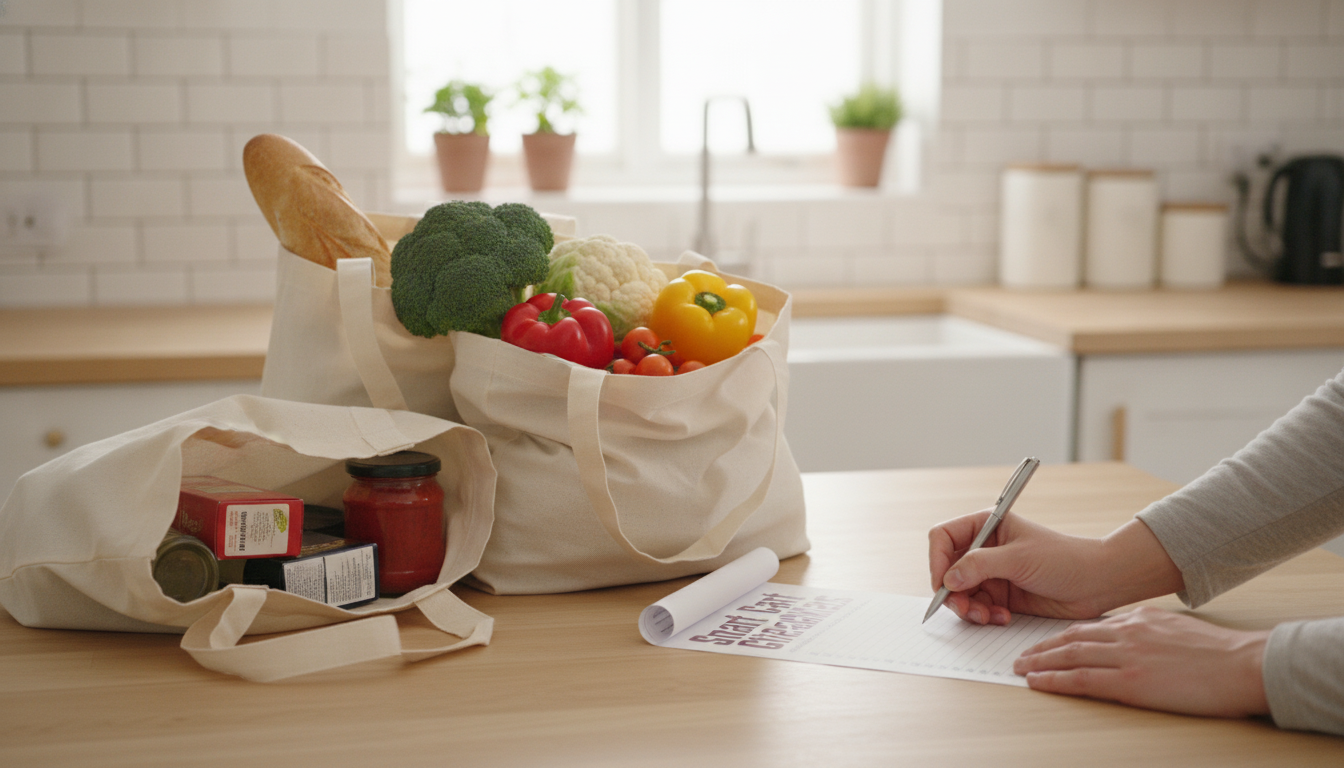
Smart Cart Checklist: 21 Easy Wins to Lower Your Grocery Total Without Feeling Deprived
Grocery shopping gets expensive fast—especially when time is tight, hunger is loud, and the store is designed to nudge extra items into the cart. A simple checklist can turn that chaos into calm. This Smart Cart Checklist focuses on quick, repeatable decisions that cut costs while still keeping meals satisfying, flexible, and realistic for busy weeks.
What the Smart Cart Checklist Does (and Why It Works)
A grocery budget rarely “breaks” because of one big splurge. It usually leaks through small, automatic choices—an extra snack here, a duplicate pantry item there, produce that looked healthy and optimistic but didn’t survive the week.
- Turns vague goals like “spend less” into small choices that add up at checkout
- Prevents common money leaks: impulse buys, duplicate items, and overbuying perishable foods
- Keeps meals filling by prioritizing protein, fiber, and versatile staples
- Reduces decision fatigue with a short routine: plan, shop, check, and stop
- Works with any store: big-box, discount grocer, warehouse club, or delivery/pickup
The three biggest grocery bill drivers—and the checklist fix
| Bill driver | What it looks like in the cart | Checklist move |
|---|---|---|
| Impulse | Snacks, drinks, “new” items not on the list | Shop with a short list + one planned treat |
| Waste | Produce that spoils, extra bread, forgotten leftovers | Plan 2–3 flexible meals; buy perishables for 3–5 days |
| Overpaying | Convenience items, brand-only habits, missed promos | Compare unit price; sub store brand; use price anchors |
Before the Store: A 10-Minute Setup That Saves the Most
Think of this as a quick “reset” that keeps your cart from turning into a random collection of good intentions.
- Take a 2-minute inventory: protein, grains, frozen veg, snacks, breakfast basics
- Pick 2–3 “core meals” that share ingredients (one protein can become two meals)
- Plan one “emergency meal” from pantry/freezer to avoid takeout when tired
- Set a target total and a per-category cap (produce, protein, pantry, extras)
- Eat something simple before shopping to reduce impulse grabs
- Choose a shopping method: in-and-out list, pickup to reduce browsing, or delivery when time is the real cost
For balanced, satisfying plates that don’t rely on expensive specialty items, it helps to use a simple template like USDA MyPlate—then build your list around affordable proteins, grains, and produce you’ll actually use.
In the Aisles: 21 Easy Wins to Cut Cost Without Cutting Satisfaction
These wins are designed to be “low drama.” No extreme couponing, no complicated rules—just practical moves you can repeat every trip.
Quick swaps that keep meals filling
| If you usually buy… | Try instead… | Why it helps |
|---|---|---|
| Boneless skinless chicken breast | Chicken thighs or a whole chicken | Often cheaper per pound; stays moist; leftovers stretch |
| Bagged salad kits | Whole lettuce/cabbage + simple dressing | Less cost per serving; longer shelf life |
| Single-serve yogurt | Large tub + fruit/granola | Lower unit price; customizable portions |
| Pre-cut vegetables | Whole vegetables + 5-minute chop | Big savings; less packaging |
When you’re deciding whether a “deal” is truly worth it, check nutrition and serving details quickly (especially for snacks and cereals). Resources like USDA FoodData Central can help you compare products if you’re trying to swap in more filling, higher-protein options without guesswork.
Checkout and After: Make the Savings Stick All Week
To protect both your budget and your food from turning into waste, follow practical storage basics (temperature, timelines, and safe handling) from the FDA Food Storage and Safety guidance.
Printable Checklist: Keep It on Your Phone or Fridge
Smart Cart Checklist printable PDF (instant download) is designed to be used in under a minute before you shop, then again right before checkout for a final “cart scan.”
If you’re also trying to simplify money decisions beyond groceries, pair it with the Zen-Savvy Savings Checklist for calm, minimalist budgeting to keep your overall spending plan clear and low-stress.
Before choosing, compare the product details with your daily routine, available space, care needs, and preferred setup. The strongest option is usually the one that fits the intended use clearly and remains simple to clean, store, and check before repeat use.
It is also worth checking measurements, material notes, included parts, and compatibility details so the item matches the way it will be used after delivery.
FAQ
How much can a checklist realistically save on groceries?
Many households see savings in the 5%–20% range, depending on how often impulse buys, wasted perishables, and convenience items show up. The biggest impact comes from repeating a few small rules every trip, so the savings compound week after week.
How do you save money at the grocery store without eating less?
Prioritize filling staples (protein and fiber), plan one intentional snack, and keep frozen produce on hand to prevent waste. Then use unit pricing and store brands to lower cost per serving while keeping portions satisfying.
Is the Smart Cart Checklist a printable PDF and instant download?
Yes—it’s a printable PDF designed to be saved on your phone or printed for the fridge. It’s meant to be used as a quick routine before shopping and as a final check before you pay.
















Leave a comment