7L Stainless Sensor Trash Can: 3-in-1, Touch-Free
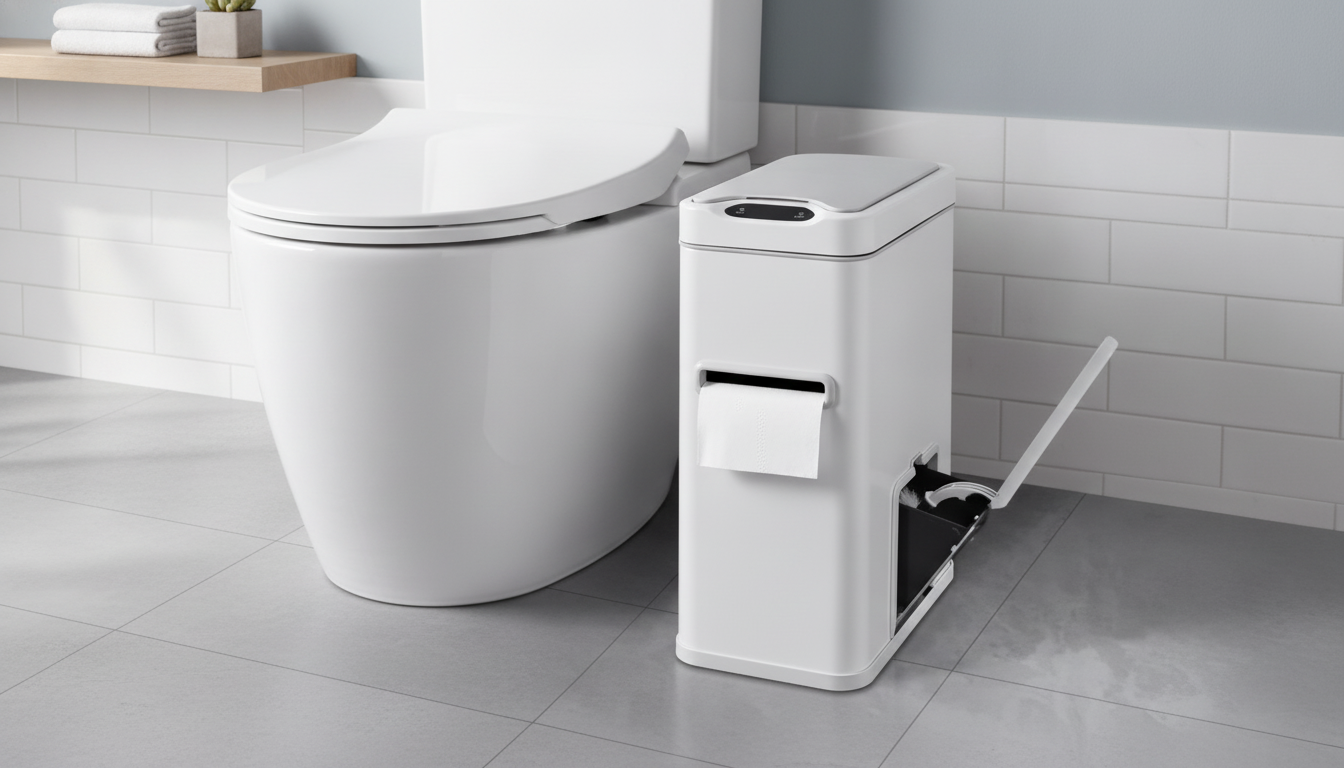
7L Stainless Steel Smart Sensor Trash Can with 3-in-1 Function
A compact 7L stainless steel smart sensor trash can can make daily cleanup feel simpler and more hygienic—especially in bathrooms, home offices, bedrooms, and small kitchens. With touch-free opening and a 3-in-1 function design, it’s built for quick disposal, fewer odors, and a cleaner-looking space without a bulky footprint.
What a 7L smart sensor can is designed for
A 7-liter sensor bin shines in the spots where a full-size kitchen can feels oversized, but a basic open-top mini bin feels messy. It’s made for everyday “small waste” routines where convenience and cleanliness matter.
- Small-space placement: bathroom vanities, bedroom corners, desk-side, nursery, and laundry areas
- Quick toss-and-go use cases: tissues, wipes, cotton pads, packaging, and light daily waste
- A cleaner look: stainless steel exterior helps match modern fixtures and appliances
- Hands-free convenience: useful when hands are full or messy (cooking prep, makeup removal, cleaning)
Touch-free disposal also supports better everyday hygiene habits—especially during cold/flu season or when you’re cleaning up after makeup, personal care, or food prep. For general hygiene guidance, the CDC’s overview is a helpful reference: CDC — Hygiene Fast Facts.
3-in-1 function: how the modes typically work day to day
The “3-in-1” design is about matching the lid behavior to what you’re doing in the moment. Instead of forcing a single style of use, you can rotate between modes to reduce interruptions and prevent unnecessary lid movement.
- Sensor-open mode: lid opens automatically when motion is detected nearby for touch-free disposal
- Manual/touch control: a button or touch area lets the lid open/close on demand (helpful during longer cleanup)
- Stay-open/continuous mode: keeps the lid open temporarily for tasks like sweeping, sorting, or changing liners
- Practical rhythm: sensor mode for quick drops, manual for repeated tosses, stay-open for deep clean sessions
In a bathroom, sensor mode is often the default: a quick toss of a tissue without touching the lid. During a vanity wipe-down, manual or stay-open can be more efficient—one open lid while you’re repeatedly tossing cotton pads and wipes.
Stainless steel body: durability, appearance, and cleaning
Stainless steel is popular for small cans because it looks “finished” in a way many plastics don’t, and it tends to age better with routine wiping. It also pairs easily with chrome, brushed nickel, and matte black fixtures.
- Resists everyday scuffs: typically holds up better than many painted plastics and blends well with modern décor
- Helps keep odors and stains from lingering: especially when the exterior is wiped regularly
- Cleaning routine: wipe with a soft cloth and mild soap; dry to reduce water spots and fingerprints
- Placement tip: keep away from direct splash zones (e.g., beside the shower) to minimize constant water spotting
If your finish has a visible grain, wiping in the direction of that grain can reduce streaking. A quick dry cloth pass after cleaning makes a noticeable difference in shine and fingerprint control.
Choosing the right size: what 7L capacity means in practice
Seven liters is a sweet spot for compact rooms: large enough to avoid constant emptying, but small enough to fit neatly where you need it most. It’s best for light-to-moderate daily waste—not for big food scraps or large kitchen-bag volume.
- Best for: light-to-moderate daily waste rather than large kitchen bag volume
- Ideal rooms: bathrooms, offices, bedrooms, craft areas, and pantry corners
- Emptying frequency: typically more often than larger cans—often a benefit for odor control in small spaces
- Liner fit: use small trash liners sized for compact bins; avoid oversized bags that bunch and interfere with lid closure
| Need | What to look for | Why it matters |
|---|---|---|
| Tight space | Slim footprint and stable base | Prevents tipping and keeps walkways clear |
| Hygiene focus | Reliable sensor open/close | Reduces contact with the lid and exterior |
| Odor control | Good lid seal and frequent emptying | Helps keep small rooms fresher |
| Easy maintenance | Smooth stainless exterior and simple liner changes | Cuts down on mess during cleanup |
For households trying to reduce unnecessary waste (like overstuffed liners that tear and need replacing), small-bin habits can help you right-size what you throw away. The EPA’s guidance on reducing waste is a useful starting point: U.S. EPA — Reduce, Reuse, Recycle.
Setup and everyday use tips for fewer misfires
Smart sensor lids are convenient, but placement and basic maintenance affect how “smart” they feel. A few adjustments can reduce accidental openings and keep the lid response consistent.
Where it fits best: room-by-room placement ideas
Care, safety, and longevity
Shop in-stock picks
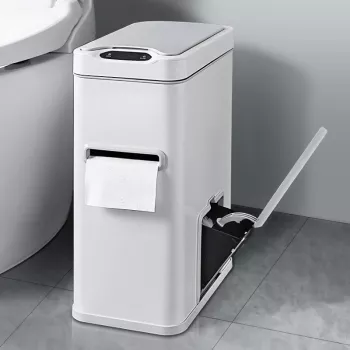
- 7L Stainless Steel Smart Sensor Trash Can with 3-in-1 Function
- Multi-Functional Cat Tree with Litter Enclosure, Food Station & Storage
FAQ
Will the sensor lid open by accident?
It can if the bin faces reflective surfaces, sits in a tight corner, or experiences frequent motion in front of the sensor. Adjusting placement, wiping the sensor window clean, and using manual mode during busy periods can help reduce misfires.
What bag size works best for a 7L trash can?
Compact/small liners designed for mini bins tend to fit best. Oversized bags can bunch around the rim, interfere with the lid seal, and prevent the lid from closing properly.
How should stainless steel be cleaned to avoid streaks?
Use mild soap and a soft cloth, then wipe in the direction of the grain if it’s visible. Dry the surface afterward to cut down on water spots and fingerprints.













Leave a comment