30-Inch Electric Mantel Fireplace: Remote, Heat & Safety
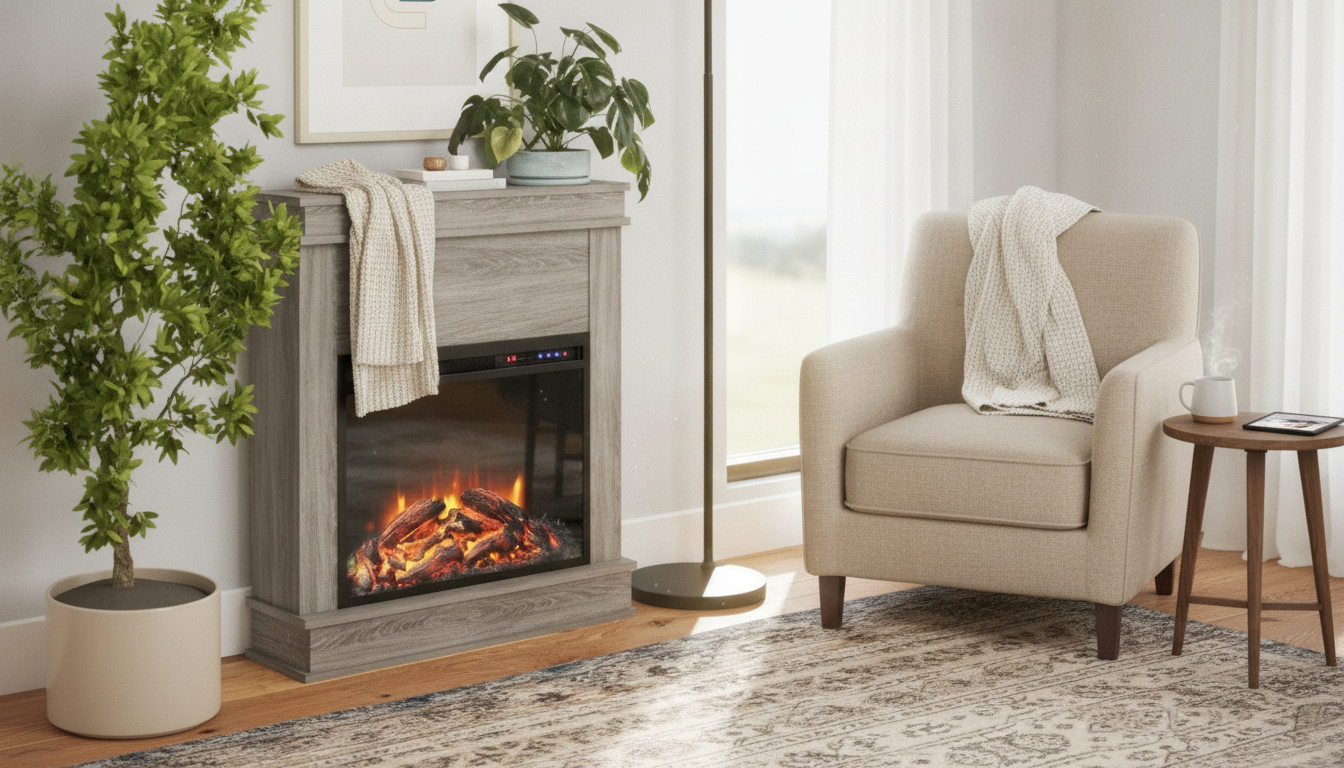
30-Inch Freestanding Electric Fireplace with Mantel and Remote Control: What to Know Before You Buy
A freestanding electric fireplace with a mantel delivers the charm of a traditional hearth—without venting, soot, or a remodel. In the 30-inch class, you get a compact footprint that still reads as “real furniture,” making it a practical choice for apartments, bedrooms, and smaller living areas. Below is a straightforward guide to what a 30-inch unit can do, how to plan placement, and which features make everyday use feel easy, safe, and comfortable.
What a 30-inch freestanding mantel fireplace adds to a room
Even in a modest-sized space, a mantel fireplace can change how the room feels and functions. The “30-inch” sizing typically suits smaller walls, tighter seating groups, and areas where a full-width built-in would look oversized.
- Creates a defined focal point: The mantel frames decor (frames, vases, seasonal accents) and helps anchor seating layouts.
- Offers flame ambiance with or without heat: Enjoy the visual glow year-round, then switch on heat only when you need it.
- Freestanding flexibility: Easier to reposition than inserts or wall-mounted styles—handy for renters or frequent re-arrangers.
- Electric convenience: No smoke, no gas line, and no chimney maintenance—just plug in and use.
Core features to prioritize for everyday use
Two fireplaces can look similar online but feel very different day-to-day. The best value usually comes from features you’ll use constantly—controls, comfort, and safety—rather than one-time setup extras.
Remote control that actually simplifies your routine
A remote is more than a nice-to-have when the fireplace becomes part of your nightly wind-down. Look for quick access to power, flame brightness, and heat level so you’re not getting up repeatedly. If a timer is offered, it can be especially helpful for bedrooms.
Heat output, coverage, and steadier comfort
Most electric fireplace heaters are designed as zone heaters—great for the room you’re in, not the entire home. Multiple heat levels can help prevent overheating a small space, while a thermostat-like control (when available) can reduce temperature swings and frequent fan cycling. For general energy guidance on zone heating, the U.S. Department of Energy offers practical tips on space heaters and efficiency.
Flame realism and visibility in different lighting
“Realistic” isn’t just about flame shape—it’s also about how the effect reads in daylight versus evening. Adjustable brightness, ember-bed glow, and consistent motion can make the fireplace feel natural whether the room lights are on or off.
Noise level for bedrooms, offices, and TV time
Fan sound can matter as much as heat performance. Quieter operation tends to feel more premium, especially if you’re using the heater while reading, working, or watching TV at a low volume.
Safety protections that reduce worry
Look for overheat shutoff and a cool-to-touch exterior, especially in homes with kids or pets. For broader home heating safety recommendations (including spacing and supervision), review NFPA guidance on heating safety. When comparing options, it’s also worth understanding third-party certification marks; UL provides an overview of UL marks and what they indicate.
Placement planning and clearance basics
Freestanding doesn’t mean “place anywhere without thought.” A little planning helps the fireplace look built-in (without being built-in) and keeps airflow working as intended.
Operating modes and comfort tips
Quick comparison checklist for a 30-inch mantel unit
| Item to confirm | Why it matters | What to look for |
|---|---|---|
| Overall width (30-inch class) | Ensures the fireplace suits the wall span and furniture scale | Fits centered under a TV/console area without crowding |
| Freestanding mantel depth | Affects walkway clearance and room flow | Enough space to pass safely without brushing hot airflow |
| Remote control functions | Convenience and accessibility | Power, heat level, flame brightness, timer (if available) |
| Heat settings | Comfort and energy control | Multiple heat levels; steady temperature control if offered |
| Safety shutoff | Reduces risk of overheating | Overheat protection; stable base/anti-tip features if included |
| Noise level | Bedroom/office suitability | Low fan noise; smooth operation while heating |
| Flame-only mode | Year-round usability | Flames operate independently of heater |
Care, cleaning, and long-term upkeep
Product spotlight: 30-Inch Freestanding Electric Fireplace with Mantel and Remote Control
For a mantel-style centerpiece with plug-in convenience, the 30-Inch Freestanding Electric Fireplace with Mantel and Remote Control is built to deliver visual warmth and practical comfort in a compact footprint. The included remote helps fine-tune the experience from the sofa or bed, and the freestanding format makes it a strong fit for living rooms, bedrooms, apartments, or office lounges where permanent installation isn’t ideal. For the best day-to-day experience, pair it with a simple placement plan—stable flooring, clear airflow, and easy outlet access.
More in-stock home-friendly picks
- Multi-Functional Cat Tree with Litter Enclosure, Food Station & Storage (a tidy way to keep pet zones organized in the same room as your main seating area).
FAQ
Can the flame effect run without heat?
Many electric fireplaces include a flame-only mode, letting you enjoy the visual effect without warming the room. Check the control panel or remote functions to confirm the flame and heater can operate independently.
Do freestanding electric fireplaces need venting?
No—electric fireplaces don’t create combustion exhaust, so venting isn’t required. Keep the unit’s air intake and outlet vents unobstructed so it can circulate air properly.
Is it safe to plug an electric fireplace into a power strip or extension cord?
A grounded wall outlet is the safest option whenever possible. High-wattage heaters can overheat undersized power strips or extension cords, so follow the manufacturer’s instructions and avoid lightweight cords.













Leave a comment