Dual-Zone Car Fridge: Adjustable Temps for Travel
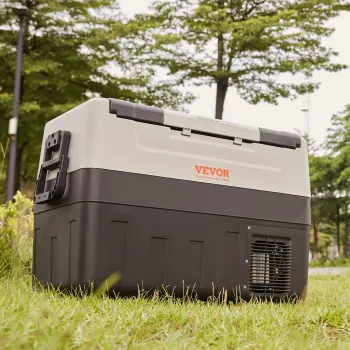
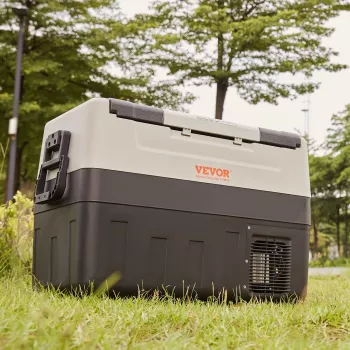
Portable Dual Zone Car Refrigerator with Adjustable Temperature Control
A dual-zone car refrigerator makes it possible to keep frozen items and chilled drinks side by side—without relying on melting ice. With adjustable temperature control, it can be tuned for weekend road trips, overlanding setups, long-haul workdays, or family travel where food safety and convenience matter. If you’re ready to replace soggy coolers and constant ice runs with steady, predictable cooling, a dual-compartment unit is one of the most practical upgrades you can add to a vehicle.
What a Dual-Zone Car Refrigerator Does (and Why It’s Different)
Unlike a single-bin travel fridge or a traditional cooler, a dual-zone unit divides storage into two compartments that can be managed separately. That separation changes how you pack, how long food stays safe, and how often you need to stop for supplies.
- Separates storage into two independently managed compartments so frozen and refrigerated items can travel together.
- Helps reduce food waste by keeping a stable temperature instead of a cooler that warms as ice melts.
- Supports mixed loads: meat and ice cream in one zone, produce and beverages in the other.
- Useful for long drives, camping, tailgates, fishing days, and emergency preparedness kits in the vehicle.
For food safety, stable cold-holding matters. The USDA explains why the “Danger Zone” between 40°F and 140°F is where bacteria can multiply quickly (USDA FSIS: Danger Zone). A dedicated travel fridge/freezer helps you stay out of that range without guessing how long the ice will last.
Adjustable Temperature Control: How to Set It for Real Trips
Adjustable temperature control is what makes a portable dual-zone refrigerator feel “set-and-forget” once you’re rolling. The best settings depend on what you’re carrying and how often you’ll open each lid/zone.
- Choose temperatures based on what’s inside: freezing for raw proteins and ice cream; refrigerator temps for dairy, drinks, and meal prep.
- Use gradual changes when switching between modes (for example, from freezer to fridge) to reduce condensation and keep items stable.
- Pre-chill items at home when possible; the refrigerator performs best maintaining temperature rather than cooling large warm loads from scratch.
- Keep frequently accessed items (drinks, snacks) in the zone that’s opened more often to minimize temperature swings in the freezer side.
If you want a simple baseline, aim to keep refrigerated foods at 40°F or below; the FDA recommends using a thermometer to confirm safe temperatures (FDA: Refrigeration and Food Safety). Even with a digital display, it’s smart to verify performance when you first set up your travel system.
Power and Efficiency in a Vehicle
Portable compressor fridges are designed to run on vehicle power, but planning your power strategy ahead of time prevents dead batteries and warm food.
- Plan around your power source: vehicle 12V/24V outlets for driving hours, and an AC option if using a campsite hookup or garage outlet.
- For overnight use, consider how the refrigerator will be powered without draining a starting battery (portable power station or dual-battery setup).
- Place the unit where airflow can circulate around vents; restricted ventilation can increase power draw and reduce cooling performance.
- Use a reasonable temperature setpoint for the load; maintaining deep-freeze temperatures typically uses more energy than standard refrigeration.
Capacity and Packing Strategy for Two Zones
Placement, Noise, and Daily Use Comfort
Cleaning, Defrosting, and Long-Term Care
Quick Buyer’s Checklist (Dual Zone + Adjustable Temps)
| Feature | Why it matters on the road | What to verify |
|---|---|---|
| Dual-zone layout | Keeps frozen and chilled items in one unit | Zones can be set independently and hold stable temps |
| Adjustable temperature control | Matches different foods, trip lengths, and climates | Temperature range and precision; easy controls |
| Ventilation clearance | Prevents overheating and improves efficiency | Space around vents; placement options in your vehicle |
| Power compatibility | Supports driving and stationary use | Vehicle DC support and AC option if needed |
| Interior organization | Less door-open time and better food separation | Baskets/dividers; easy-to-clean surfaces |
Product Options to Consider
- Portable Dual Zone Car Refrigerator with Adjustable Temperature Control: a dedicated dual-compartment option designed for travel-friendly cooling and freezing in one unit.
- Timberland Men’s Brown Leather Boots: a practical add-on for campsite setup, wet ground, and cooler-season travel where reliable traction and support help.
- Zen-Savvy Savings Checklist: The Japanese Way to Build Wealth with Calm and Clarity: useful for planning trip costs and building a realistic gear-and-travel budget over time.
FAQ
Can one zone be used as a freezer while the other stays as a fridge?
Yes—dual-zone designs are made for exactly that, letting you keep items like meat or ice cream frozen in one compartment while storing drinks and produce at refrigerator temperatures in the other. For best results, keep each zone at a stable setting and open the freezer side less often to reduce temperature swings.
How can food be kept safe during long drives and overnight stops?
Pre-chill foods before loading, keep cold foods cold with stable setpoints, and separate raw items from ready-to-eat foods to reduce contamination risk. Plan your overnight power so the refrigerator doesn’t drain the starting battery, and aim to hold refrigerated foods at 40°F or below.
What’s the best way to pack a dual-zone car refrigerator for efficiency?
Group items by how often you’ll access them—snacks and drinks in the zone you open the most, and frozen items in the zone you open the least. Use baskets or bins to limit rummaging, reduce air gaps with organized stacking, and keep raw foods contained to prevent leaks.













Leave a comment